A leaking flat roof rarely stays a small problem for long. Once water starts finding its way in, it can damage ceilings, timbers, insulation and plasterwork before you know it. That is why many homeowners now ask about a rubber flat roof membrane when an older felt roof starts to fail.
For many domestic properties, it is a strong, tidy and long-lasting option. It suits garages, extensions, porches, dormers and other flat or low-pitch roofs where homeowners want something dependable without constant patch repairs. The key is knowing what it does well, where it is most suitable, and why the standard of fitting matters just as much as the material itself.
What is a rubber flat roof membrane?
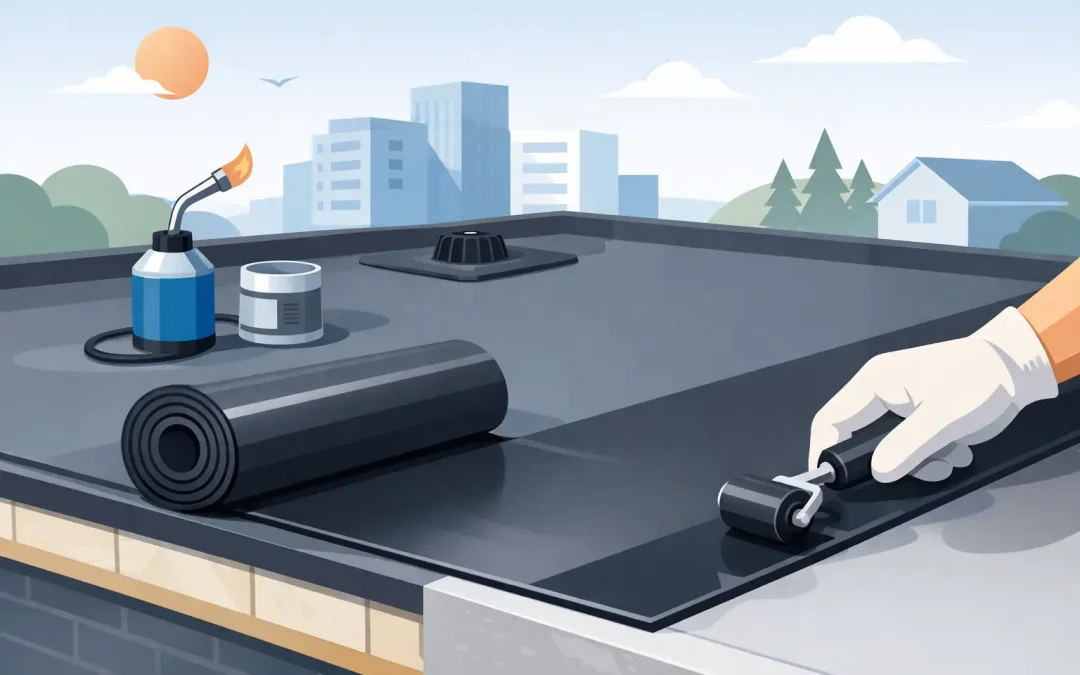
A rubber flat roof membrane is a single-ply roofing material, most commonly EPDM rubber, designed to create a waterproof covering over a flat roof structure. In simple terms, it is a durable rubber sheet laid over a prepared roof deck and fitted with trims, adhesives and edge details to keep the roof weather-tight.
What appeals to many homeowners is that it offers a clean, modern finish and avoids the short-term mindset that often comes with repeated felt repairs. Rather than layering on another temporary fix, a properly installed rubber roof is meant to provide reliable long-term protection.
That said, not every flat roof problem calls for the same answer. If the timber deck underneath has deteriorated, or the roof has poor falls and standing water, those issues need sorting first. The membrane is only as good as the structure beneath it.
Why homeowners choose rubber for flat roofs
The biggest reason is longevity. A well-fitted rubber system can last for many years with far less maintenance than older flat roofing materials. It handles rain, frost and temperature changes well, which matters in the Midlands where roofs have to cope with everything from heavy downpours to hard winter weather.
It is also known for flexibility. Buildings move slightly over time, especially extensions and garages, and rubber can accommodate a degree of movement without cracking in the way some older materials can. That makes it a sensible option for domestic roofs that need to stay watertight through changing seasons.
Another advantage is appearance. A new rubber roof gives a neater finish than a tired patchwork surface covered in repairs. If you are improving the look of your home as well as protecting it, that matters.
There is a practical side to it too. Because larger sheets can often be used, there are fewer seams than with some traditional systems. Fewer joins can mean fewer weak points, provided the roof is installed properly.
Where a rubber flat roof membrane works best
In residential settings, this type of roof covering is commonly used on rear extensions, bay tops, garages, garden rooms, porches and dormers. These are the areas where ageing felt roofs often become a recurring issue, especially once they start blistering, splitting or lifting at the edges.
For many homeowners, a replacement becomes more cost-effective than ongoing repair work. If you are paying for one patch after another, there comes a point where a full renewal is the better investment.
It is not always the right fit for every roof. Some shapes, details or access issues can affect the best choice of material. That is why a proper survey matters. A reliable roofer should assess the roof’s condition, drainage, edge details and structure before recommending a replacement.
Rubber flat roof membrane vs traditional felt
This is usually the comparison homeowners make first. Felt has been used for years and still has its place, but many older felt roofs begin to show their age through cracking, splits and water ingress. In some cases, that is down to wear over time. In others, it comes back to poor workmanship or cheap materials used in the first place.
A rubber flat roof membrane generally offers better durability and a longer service life than older felt systems. It also tends to need less attention once fitted. That does not mean felt is always the wrong choice, but if you are looking for a longer-term solution rather than a short-term fix, rubber often comes out ahead.
The trade-off is that fitting quality is crucial. A badly fitted rubber roof will still cause trouble, just like any other roof. Corners, upstands, trims and outlets all need careful attention. The material itself is only one part of the job.
What affects the cost?
Homeowners often want a straight answer on price, but flat roofing costs depend on the size of the roof, the condition of the existing structure and the amount of preparation needed. Replacing rotten decking or improving drainage will affect the final figure, as will access and the complexity of the roof edges.
A simple garage roof is very different from a large extension roof with multiple details around walls, lanterns or outlets. That is why a proper quotation matters more than a guess over the phone.
The cheapest quote is not always the best value. If corners are cut on preparation, trims, adhesives or finishing details, problems can show up far sooner than they should. Most homeowners would rather pay a fair price once and know the work has been done properly.
How long does it last?
A professionally installed rubber roof can last for decades, which is one of the main reasons it is so popular. Lifespan depends on the quality of the material, the condition of the structure underneath and the standard of installation.
It also helps if the roof has been designed sensibly. Good drainage, proper edge detailing and secure installation all contribute to long-term performance. Even the best membrane will struggle if it is laid over a poor surface or fitted without care.
From a homeowner’s point of view, the real benefit is peace of mind. You want a roof that does its job year after year without becoming another item on the repair list.
Why installation matters as much as the membrane
Flat roofing is one of those jobs where details make all the difference. A roof can look fine from the ground and still have weak points around edges, outlets or abutments that lead to leaks later on. That is why choosing an experienced, fully insured contractor matters.
A proper installation should begin with a full inspection of the existing roof. If the deck is damaged or the old roof has underlying issues, those should be dealt with before the new covering is fitted. Rushing over hidden problems only stores up trouble for later.
Professional fitting also means tidy finishing and good site standards. For most homeowners, it is not just about waterproofing. It is about having tradespeople who turn up when agreed, explain the work clearly, treat the property with respect and leave everything clean and presentable once the job is done.
That practical, no-nonsense approach is exactly why many homeowners across Nottingham and the wider Midlands look for specialists with a strong local reputation, not just someone offering a quick fix.
Signs it may be time to replace your flat roof
If your current flat roof is leaking repeatedly, showing visible cracks, lifting at the edges or sagging, it is worth having it checked. Damp patches on ceilings, peeling paint near the roofline and recurring water ingress after heavy rain are all signs that the problem may have gone beyond a simple repair.
Age matters too. If the roof has already had several repairs over the years, replacement can often make more financial sense than continuing to patch it. A new rubber system can give you a fresh start instead of another temporary measure.
Is it the right choice for your home?
For many domestic properties, yes. A rubber flat roof membrane is a solid option if you want durability, neat appearance and dependable weather protection. It suits the practical priorities most homeowners have – keeping the house dry, avoiding repeat problems and knowing the job has been carried out properly.
Still, the right answer depends on the roof itself. Size, shape, structure and existing condition all need to be considered. A trustworthy roofer will tell you if rubber is the best option and, just as importantly, if something else would suit the roof better.
If your flat roof is showing its age, the best next step is not to wait for a bigger leak. Get it looked at properly, ask clear questions, and choose a contractor who takes workmanship seriously. A well-fitted roof should protect your home quietly in the background, which is exactly how it ought to be.