If your flat roof is starting to crack, blister or let water in, the question usually comes down to EPDM roof vs felt. Both materials are widely used on garages, extensions, porches and dormers, but they do not perform in quite the same way over time. The right choice depends on your budget, the condition of the roof beneath, and whether you want the lowest upfront cost or a longer-term solution.
For most homeowners, this is not really about roofing theory. It is about stopping leaks, avoiding repeat repair bills and making sure the job is done properly once. That is where understanding the difference between EPDM and felt helps.
EPDM roof vs felt at a glance
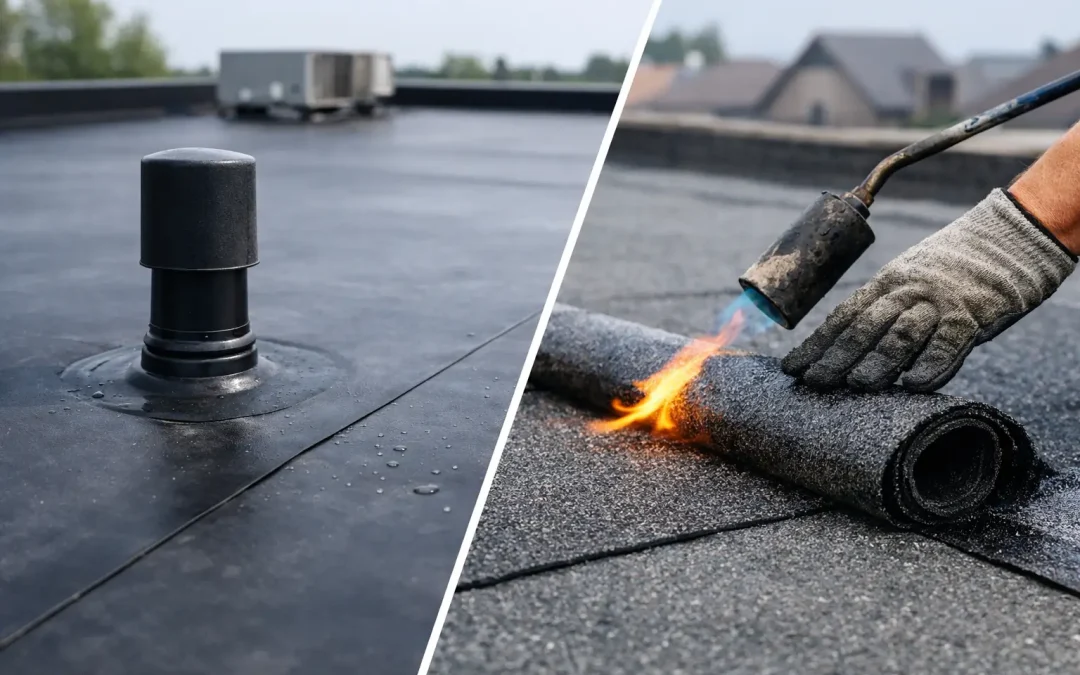
EPDM is a synthetic rubber roofing membrane designed for flat and low-pitched roofs. It is usually fitted in large sheets, which means fewer joins and less chance of water finding a weak point. Felt roofing, by contrast, is typically installed in layers using torch-on or other bitumen-based systems. It has been used for decades and is still a common choice for many domestic flat roofs.
Both can work well when fitted correctly. The real difference is in lifespan, maintenance, weather resistance and how each roof ages. A cheap installation of either material can fail early, while a well-installed system using decent materials can give years of service. Workmanship matters just as much as product choice.
Lifespan and long-term value
When people ask which roof lasts longer, EPDM usually comes out ahead. A properly fitted EPDM rubber roof can last for decades, and one of its main strengths is that it does not become brittle in the same way many older felt roofs do. It handles temperature changes well and tends to stay flexible as the years pass.
Felt can still give good service, especially modern high-performance systems, but in many cases its expected lifespan is shorter than EPDM. Traditional felt roofs often begin to show signs of wear earlier, particularly on older garages and extensions where the roof has taken years of sun, frost and standing water.
That does not automatically mean felt is poor value. If the budget is tight and the roof area is modest, felt can be a sensible short-to-medium-term option. But if you are planning to stay in the property and want to reduce the chance of future issues, EPDM often proves better value over the life of the roof.
Cost: upfront price versus future spend
Cost is often the deciding factor, and this is where felt can appeal. In many cases, felt roofing is cheaper upfront than EPDM. For homeowners dealing with an urgent leak or a roof that needs replacing quickly, that lower initial outlay can make a difference.
EPDM usually costs more at the start, but that higher price often reflects longer service life and lower maintenance needs. It is the difference between paying less now and potentially paying more later, or spending more once in the hope of leaving the roof alone for much longer.
The size and shape of the roof also affect cost. A simple rectangular garage roof is very different from an extension with outlets, upstands, roof lantern details or awkward edges. The more complex the roof, the more important it is to have a system that suits the layout and a contractor who fits it neatly and properly.
How each roof deals with British weather
Flat roofs in the Midlands take a fair amount of punishment. Heavy rain, cold winters, summer heat and the usual cycle of wet and dry conditions all put roofing materials under pressure.
EPDM performs well in these conditions because it remains flexible and resists cracking. That flexibility helps it cope with expansion and contraction during temperature changes. It is also less likely to suffer from the kind of surface splitting that can affect ageing felt.
Felt roofs can still stand up well to the weather, particularly modern systems fitted to current standards. But they rely more heavily on the quality of the layers, seams and finish. Over time, felt may be more vulnerable to lifting, blistering or wear around joints if the roof has been poorly installed or has seen years of exposure.
If your current flat roof has repeated problems after bad weather, it is usually worth looking beyond patch repairs and asking whether the material itself is right for the job.
Installation quality matters more than most people realise
A lot of roofing problems blamed on materials are actually fitting problems. Poor preparation, weak detailing, rushed joins or inadequate edge finishing can shorten the life of any flat roof.
EPDM needs a clean, properly prepared deck and careful installation around corners, trims and outlets. Felt needs correct layering, sound adhesion and attention to every seam. In both cases, the best material in the world will not perform as it should if it has been fitted badly.
This is why comparing EPDM roof vs felt should never just be about what is written on a product sheet. You also need to consider who is doing the work, how the existing roof is assessed, whether rotten decking is replaced, and whether the finish will actually shed water properly.
Repairs and ongoing maintenance
No flat roof is completely maintenance free, but some systems are more forgiving than others. EPDM generally requires less ongoing attention. Because it is often laid in large sections, there are fewer seams to monitor, and that can reduce the number of weak points.
Felt roofs may need more regular checks as they age, especially around laps, edges and areas where water tends to sit. Small faults can often be repaired, but patching an older felt roof repeatedly is not always cost-effective. Once repairs become regular, replacement usually makes more sense.
One practical point many homeowners overlook is ease of inspection. If a roof has been leaking for a while, the visible issue indoors may not match the fault outside. Water can travel. A proper survey is important before deciding whether you need a repair, an overlay or a full replacement.
Appearance and suitability for different homes
Appearance is not always the first concern with a flat roof, but it still matters, especially on extensions or visible roof areas. EPDM gives a clean, simple finish that suits many modern properties and rear extensions. Felt can also look tidy when newly installed, but it may show its age sooner depending on exposure and wear.
Suitability depends on the roof itself. EPDM is often a strong choice for domestic flat roofs where homeowners want durability and a low-maintenance finish. Felt can be suitable where budget is the main priority or where a particular build-up makes felt the more practical option.
A good roofer should not push one material for every job. They should look at the size, access, existing structure, drainage and expected lifespan, then recommend what genuinely fits the property.
When felt may still be the right choice
Although EPDM has clear advantages, felt is not outdated just because it is older as a roofing method. There are still situations where it can be the right option. If you need a more budget-conscious replacement on a smaller outbuilding, or if the roof design suits a high-performance felt system, it can still deliver solid results.
The key is being realistic. If you choose felt mainly to reduce upfront cost, it helps to understand that you may not get the same lifespan as a well-installed EPDM roof. That trade-off is not necessarily a problem as long as it is a conscious decision rather than a surprise later.
Which is better for your home?
For many homeowners, EPDM is the stronger all-round choice. It tends to last longer, handles British weather well and usually needs less attention over time. If you are replacing a failed flat roof on an extension, garage or porch and want a solution that is built for the long term, EPDM is often worth the extra investment.
Felt still has its place. It can be more affordable, practical for certain projects and perfectly suitable when installed to a good standard. But if you are weighing up EPDM roof vs felt with longevity in mind, EPDM is often the material that gives greater peace of mind.
The best route is to have the roof looked at properly and get advice based on the condition of your property, not just a price over the phone. At MTF Roofing Ltd, that is how we approach flat roof replacements across Nottingham and the wider Midlands – clear advice, quality fitting and no guesswork. A flat roof should protect your home without becoming a recurring problem, and choosing the right system at the start makes that much easier.