
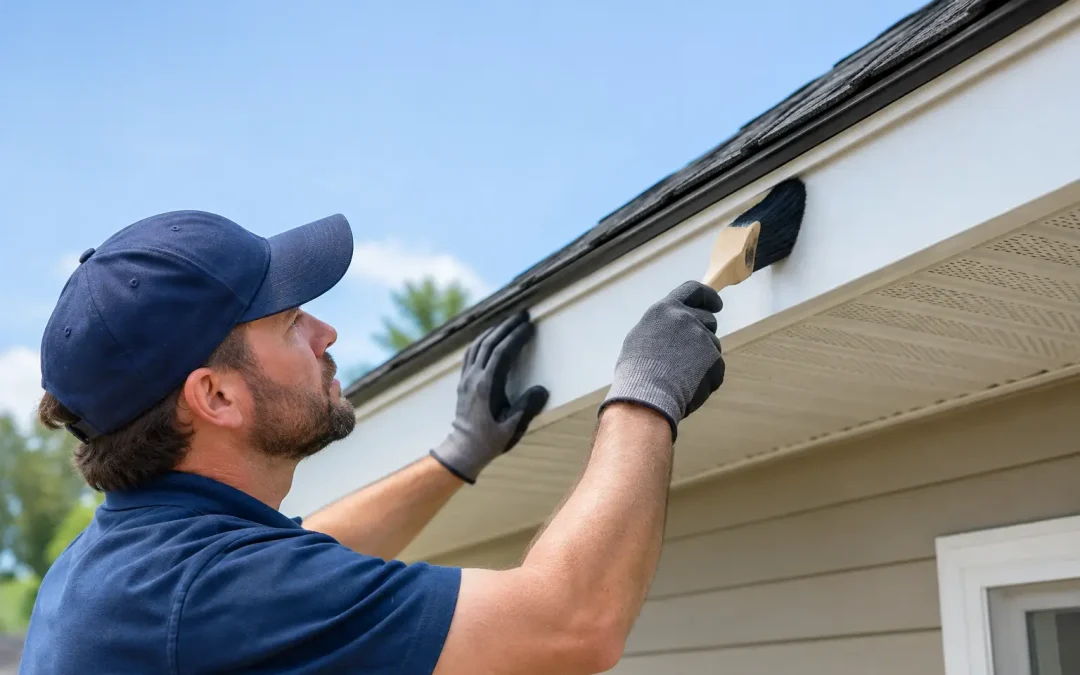
Your roofline boards sit just below the edge of the roof, where they do a great deal of quiet but essential work. Fascias support the guttering, soffits help ventilate the roof space, and the whole roofline helps keep rainwater, birds and pests away from vulnerable parts of your home. Knowing how to maintain roofline boards can prevent small issues becoming damp, rot or costly repairs.
For most homeowners, the aim is not to carry out complicated work at height. It is to spot changes early, keep gutters working properly and call in a trusted roofer when the job needs safe access or experienced attention. A well-maintained roofline protects the structure of your property and keeps it looking cared for from the street.
Start with regular checks from ground level
A visual check two or three times a year is usually enough for a modern, well-fitted roofline. Take a look after autumn, following periods of heavy rain or strong winds, and before winter sets in. You do not need to climb a ladder to identify many of the warning signs.
Stand back and look along the front, sides and rear of the property where possible. Roofline boards should appear straight, secure and consistent in colour. Look for sagging guttering, gaps between boards, peeling paint, staining beneath joints, cracked sections or signs that water is overflowing in one place.
Pay close attention to areas near downpipes, valleys and gutter corners. These parts deal with a larger volume of water and are often where blockages or leaks first show themselves. If you see a dark patch on brickwork below the roofline, it may mean water is escaping from a gutter joint or running behind the fascia rather than into the gutter.
Keep gutters clear to protect the fascias
Blocked guttering is one of the main causes of avoidable roofline damage. Leaves, moss, twigs and debris stop rainwater flowing to the downpipe. Once the gutter is full, water can spill over the front edge, soak the fascia board behind it, or back up beneath the roof tiles.
Timber fascias are particularly vulnerable because repeated moisture can lead to peeling paint, soft wood and rot. Modern uPVC boards are much more resistant to water, but they can still be affected by overflowing gutters, failed joints and fixings that are put under unnecessary strain.
Gutters should be cleared at least once a year, and more often if your property is close to mature trees. It is also worth checking that downpipes are running freely. A blocked downpipe can cause the gutter to fill quickly even when the rest of the system appears clean.
If access is difficult, the guttering is high, or you are unsure whether it is safe to use a ladder, arrange for a professional to inspect and clear it. Saving a small maintenance cost is not worth the risk of a fall or damage caused by leaning ladders against plastic guttering.
Check the fall of the guttering
Guttering needs a slight fall towards the downpipe so water drains away rather than sitting in the channel. Water that remains after rainfall can point to a section that has dropped, a loose bracket or an incorrectly positioned run of guttering.
You may notice this from the ground as standing water, a gutter that looks uneven, or a regular drip from the same spot days after rain. Catching this early protects the fascia and avoids the weight of trapped water pulling the guttering further out of line.
Wash uPVC roofline boards carefully
If your home has uPVC fascias and soffits, a gentle clean once or twice a year will keep them looking smart and make it easier to notice any developing faults. Use warm water with a mild household cleaner, a soft cloth or sponge, and a soft-bristled brush for more stubborn dirt.
Avoid abrasive pads, harsh solvents and aggressive pressure washing. These can mark the surface, damage seals or force water into joints and ventilation openings. If you use a pressure washer on nearby walls or paving, keep it well away from the roofline.
Green algae and traffic film can build up over time, particularly on shaded elevations. This is usually a cosmetic issue, but it should not be ignored if it is accompanied by staining, loose boards or persistent damp around the eaves. Cleaning gives you a useful opportunity to inspect the condition of the roofline closely.
Painted timber needs more frequent attention
Timber fascias and soffits can last well when they are properly maintained, but they demand more regular care than uPVC. Inspect painted timber at least annually for flaking paint, cracks, open joints and areas that feel soft or swollen. These are all signs that moisture may be getting into the wood.
Before repainting, loose paint must be removed and the timber allowed to dry fully. Any rotten sections need to be repaired or replaced first. Painting over damp or decayed wood may improve the appearance for a short time, but it will not solve the cause of the problem.
The condition of the guttering matters even more with timber boards. A leaking joint or overflowing gutter can repeatedly soak one small section until rot takes hold. When damage is localised, a repair may be practical. If rot is widespread or the guttering is no longer securely supported, replacement is often the more dependable long-term option.
Do not block soffit ventilation
Soffits are the boards fitted beneath the fascia, bridging the gap between the outside wall and the roof edge. Many include vents that allow air to move through the roof space. This ventilation helps control condensation and reduces the risk of moisture building up in timbers and insulation.
When cleaning or painting, do not seal over vent slots or push insulation into the eaves from inside the loft. It can be tempting to block gaps where insects have been seen, but ventilation should be maintained. A roofer can advise on suitable insect protection or repairs without closing off the airflow your roof needs.
Condensation in the loft, mould on timbers or damp insulation can have several causes, so roofline ventilation is only one part of the picture. Even so, damaged or blocked soffit vents should be checked rather than overlooked.
Watch for signs that need professional attention
Some roofline faults are best dealt with promptly. Water can travel behind boards or into the roof edge before it becomes visible indoors, so an apparently small issue should not always be treated as cosmetic.
Arrange an inspection if you notice any of the following:
- guttering pulling away from the fascia or visibly sagging
- water running down external walls during rainfall
- rotten, split or loose timber boards
- gaps at the eaves where birds or squirrels may enter
- damp marks, mould or a musty smell in the loft
- loose roof tiles or damaged felt visible at the roof edge
These issues can be linked. For example, a loose tile may allow water onto the felt, while a failed gutter can soak the fascia below. A proper inspection looks at the roof edge, guttering, boards and ventilation together rather than replacing one visible part and leaving the underlying cause unresolved.
Know when repair is enough and when replacement makes sense
A loose gutter bracket, leaking union or isolated damaged section may only need a targeted repair. This is often the sensible choice where the surrounding roofline remains sound and the system has been fitted correctly.
Replacement becomes more worthwhile when boards are extensively rotten, guttering fixings are no longer holding securely, or previous patch repairs have left the roofline uneven and difficult to maintain. New uPVC fascias, soffits and guttering can provide a clean, low-maintenance finish, but the quality of the fitting is just as important as the material itself.
Good installation includes secure fixing, correct gutter falls, suitable ventilation and careful finishing around the roof edge. Covering rotten timber without dealing with it properly can leave hidden problems behind. Ask how the existing boards will be assessed and whether any damaged roof-edge timbers will be repaired as part of the work.
Maintain the whole roof edge, not just the boards
Roofline boards do not work in isolation. Loose tiles, worn underfelt, damaged flashing and poor gutter drainage can all affect the eaves. Equally, a sound roofline can be undermined by vegetation growing against the wall, overflowing gutters or a neglected downpipe discharge point.
Keep nearby branches trimmed back where practical, particularly if they drop heavy leaf fall onto the roof. Check that downpipes direct water into a clear drain rather than allowing it to pool beside the property. After heavy weather, a quick look around the roof edge can provide reassurance and highlight anything that has shifted.
If you are unsure what you are seeing, it is better to ask for straightforward advice than wait for a minor fault to worsen. For homeowners across Nottingham and the wider Midlands, MTF Roofing Ltd can inspect roofline concerns, explain the condition clearly and carry out repairs or replacement work to a high standard. Looking after your roofline little and often gives your home the best chance of staying dry, tidy and protected for years to come.