If your fascias are soft to the touch, the paint on your soffits keeps peeling, or your guttering is pulling away from the roof edge, it is usually a sign the roofline has reached the point where patch repairs are no longer the best option. Choosing the best materials for roofline replacement is not just about appearance. It affects how well your home stands up to rain, how much maintenance you take on, and how long the new installation is likely to last.
For most homeowners, the right choice comes down to three things: durability, upkeep and value over time. There is no single material that suits every property, but there are some clear front-runners depending on the style of the house, your budget and whether you want a low-maintenance finish or a more traditional look.
What counts as the roofline?
The roofline is the group of components that sit at the edge of your roof and help protect the structure beneath. This usually includes fascias, soffits, bargeboards, guttering and downpipes. These parts work together to carry rainwater away and stop moisture, birds and insects getting into vulnerable areas around the eaves.
When one part starts to fail, the rest are often not far behind. That is why full replacement is often more sensible than swapping a single length of gutter or covering over timber that has already started to rot underneath.
Best materials for roofline replacement: what are your options?
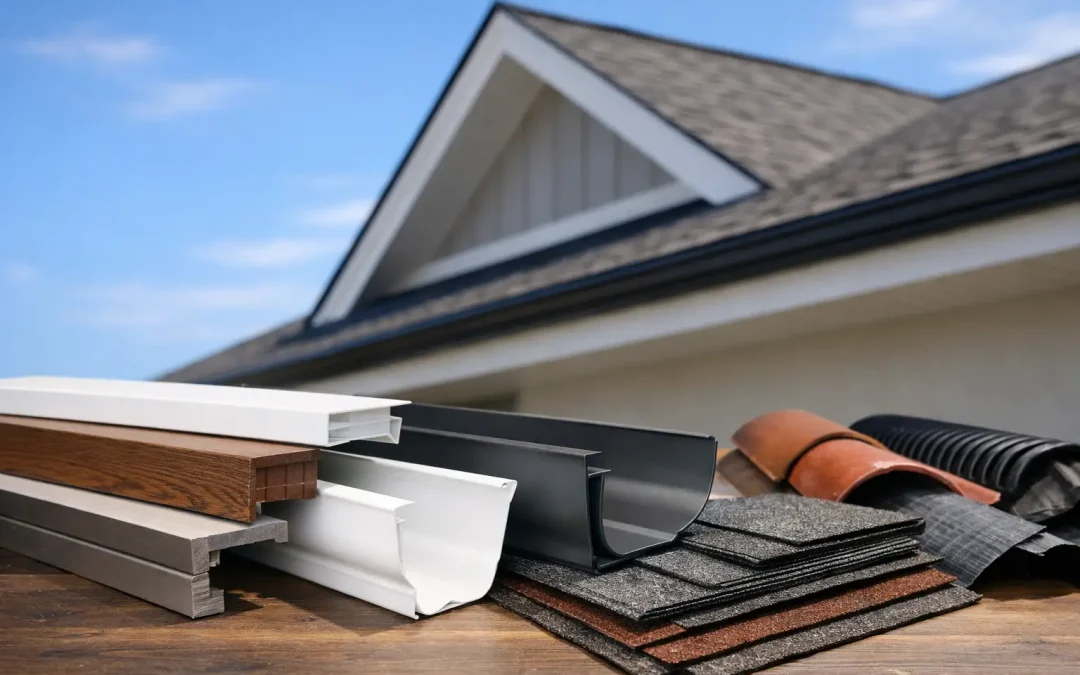
In most domestic roofline projects, the main choices are uPVC, timber and aluminium. Each has strengths, and each comes with trade-offs.
uPVC roofline
uPVC is the most common choice for modern roofline replacement, and for good reason. It is cost-effective, weather-resistant and needs very little upkeep. Once fitted properly, it does not need sanding, painting or staining, which makes it especially popular with homeowners who want a clean finish without ongoing maintenance.
It also suits a wide range of properties. On many homes across Nottingham and the Midlands, white uPVC remains the standard option, but there are now more colour and woodgrain finishes available if you want something that better matches windows, doors or brickwork.
The main advantage of uPVC is value. It offers a strong balance between price and performance, and for most households it will do the job very well for many years. The main drawback is that, on older or more character-led properties, it can sometimes look less in keeping than timber. Quality also matters. Lower-grade boards or poor fitting standards can lead to sagging, discolouration or a finish that looks cheap.
Timber roofline
Timber still has its place, especially on period homes or properties where preserving a traditional appearance matters. It can look excellent when prepared and fitted properly, and it often suits older brickwork and heritage details better than plastic alternatives.
The issue with timber is maintenance. Even good-quality timber is exposed to constant weathering at roof level, and without regular painting and checks, it can begin to absorb moisture and deteriorate. That does not mean timber is a bad choice. It means it suits homeowners who are happy to keep on top of upkeep and want the character that only real wood can give.
For some houses, timber is the right visual choice. For others, it becomes a false economy if the maintenance is likely to be delayed or ignored.
Aluminium roofline
Aluminium is a strong, long-lasting option that is often chosen for its clean appearance and durability. It is resistant to rot, does not warp like timber can, and tends to hold its shape very well over time. It can be powder-coated in different colours, which gives more flexibility on the final look.
It is generally more expensive than uPVC, so it is not always the first choice for standard domestic replacement work. Even so, it can be a very good option if you want a more premium finish and plan to stay in the property long term.
Aluminium often appeals to homeowners looking for something smarter and more hard-wearing than basic plastic, especially on newer homes or higher-spec refurbishments. The key is making sure it is fitted neatly and integrated properly with the guttering and roof edge.
Which material is best for fascias and soffits?
For most homes, uPVC fascias and soffits are the practical winner. They cope well with British weather, are straightforward to maintain, and provide a tidy finish that improves the outside of the property without creating extra work later. If your priority is a reliable, low-maintenance solution, this is usually the best route.
Timber fascias and soffits make more sense where appearance is the main concern and the property would lose some of its character with modern materials. On certain older homes, they may be the more appropriate option visually, but only if they are properly maintained.
Aluminium fascias and soffits sit in the middle ground between the two. They offer a crisp, durable finish with less upkeep than timber, though at a higher initial cost than uPVC.
Guttering matters just as much as the boards
When people think about roofline replacement, they often focus on the fascias and soffits and forget the guttering. In reality, the performance of the whole roofline depends heavily on how well rainwater is managed. Even the best fascia board will not stay in good condition if overflowing or badly aligned gutters keep sending water back onto the structure.
uPVC guttering is the most widely used option and suits most homes well. It is affordable, easy to replace in sections if needed, and available in styles that work with both standard and more decorative properties. Aluminium guttering is stronger and can offer a sharper finish, but it costs more.
The best material choice is only part of the picture. Correct falls, secure brackets, proper jointing and sensible outlet placement matter just as much as what the gutter is made from.
Things that affect the right choice for your home
There is always some element of it depends. A detached modern house, a Victorian terrace and a rendered bungalow will not always suit the same finish. Budget matters too, but so does how long you plan to stay in the property.
If you want the most straightforward, cost-effective option, uPVC is usually the strongest all-round choice. If you are restoring an older property and want to keep a traditional look, timber may be worth the extra upkeep. If you want a more premium, long-term finish and are happy to invest more at the start, aluminium can be a very solid option.
It is also worth thinking beyond the boards themselves. Ventilation, condition of the rafter feet, existing felt support and the state of the guttering all affect the final result. A proper survey should look at the whole roof edge, not just the visible face of the fascia.
Why fitting standards matter more than people realise
Even the best materials for roofline replacement will not perform properly if the installation is poor. This is where many problems start. Boards fixed over rotten timber, gutters set with the wrong fall, or corners joined badly can all lead to future issues no matter how good the product looked on day one.
A proper replacement should remove failed materials where needed, check the condition beneath, and install the new system securely and neatly. The finish should not only look better from the ground. It should also protect the roof edge properly in heavy rain and cold weather.
That is why homeowners are usually better off choosing an experienced roofline specialist rather than simply chasing the cheapest quote. The lower figure can cost more later if corners are cut.
So, what is the best material overall?
For the majority of homes, uPVC is the best all-round material for roofline replacement. It gives reliable weather protection, a clean appearance, low maintenance and good long-term value. That makes it the sensible choice for many homeowners who want the job done properly and do not want ongoing hassle.
Timber is best where a traditional finish matters enough to justify regular upkeep. Aluminium is best where you want extra durability and a more premium finish and are prepared for the higher initial cost.
The right answer is not always the most expensive material. It is the one that suits the property, the budget and the standard of finish you expect. If you are unsure, getting clear advice from an experienced contractor is the best way to avoid paying for the wrong solution. A well-fitted roofline should protect your home for years and make the whole property look sharper from the street, which is exactly what good exterior work ought to do.