If your flat roof is starting to crack, blister or let water in, an EPDM flat roof review is usually less about trends and more about one simple question – will it last and is it worth the money? For most homeowners, that means looking past sales talk and focusing on how the material performs on real homes in real British weather.
EPDM flat roof review for homeowners
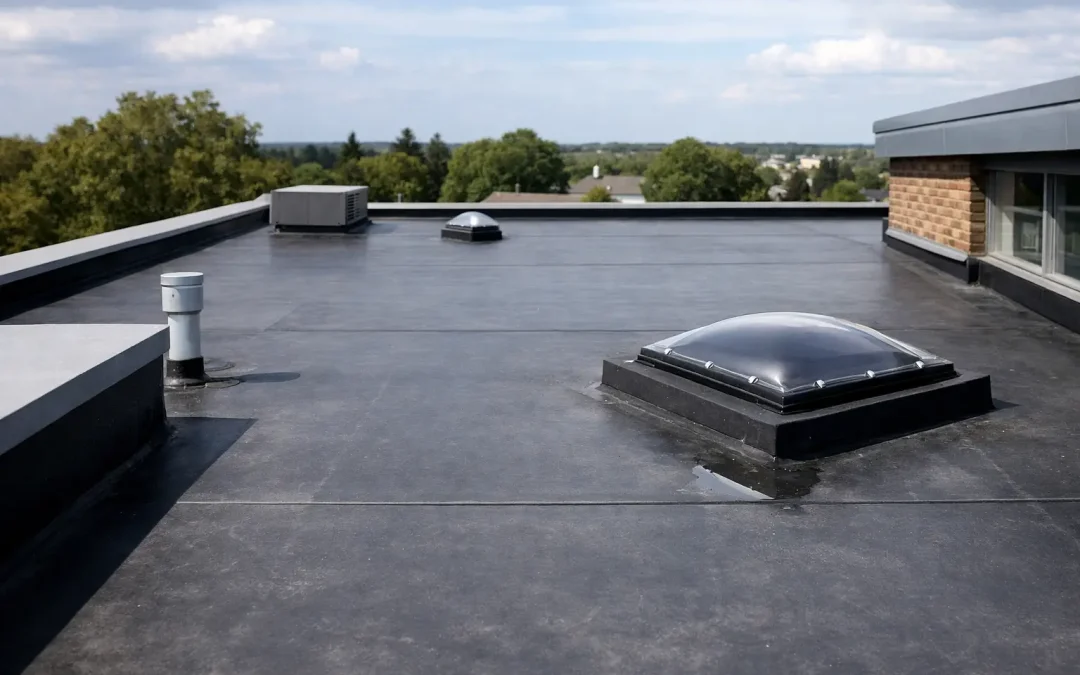
EPDM is a synthetic rubber roofing membrane designed for flat and low-pitched roofs. You will often see it fitted on extensions, garages, porches, dormers and garden rooms because it gives a clean finish and, when installed properly, a reliable waterproof barrier.
From a homeowner’s point of view, the biggest appeal is straightforward. EPDM is known for long service life, low maintenance and good resistance to rain, frost and UV exposure. In the Midlands, where roofs need to cope with everything from heavy downpours to sudden cold snaps, that matters.
That said, no roofing material is perfect for every property. A fair EPDM flat roof review should cover both the strengths and the limits, because the right choice depends on the roof size, the condition of the deck underneath, the amount of foot traffic and the standard of the installation.
What EPDM does well
The strongest point in EPDM’s favour is durability. A properly fitted EPDM membrane can last for decades, which makes it a solid long-term option for residential flat roofs. It does not suffer in quite the same way as older felt systems that can dry out, split or fail at the joints over time.
It also handles temperature changes well. British roofs expand and contract through the seasons, and rubber is naturally better at coping with movement than more brittle materials. That flexibility helps reduce the risk of cracking.
Another advantage is the neatness of the finished roof. EPDM tends to give a tidy, modern appearance without lots of visible layers or patchy repairs. For homeowners who want the roof not only to protect the property but also to improve how it looks from the garden or upstairs windows, that is a real plus.
Maintenance is usually minimal. You still want the roof checked now and again, especially after storms or if nearby trees drop debris, but EPDM does not generally demand constant attention. For many households, that low-maintenance aspect is one of the main reasons it stands out.
Where EPDM can fall short
A balanced EPDM flat roof review also needs to be honest about the drawbacks. The first is that installation quality matters a great deal. Even a strong material can underperform if the roof has been badly prepared, if edge details are poor, or if the membrane has not been bonded and finished correctly.
This is where homeowners can run into trouble if they choose on price alone. A cheap job may not include the right deck preparation, trims or detailing around outlets and abutments. The result can be a roof that looks acceptable at first but develops issues much sooner than it should.
EPDM is also not always the best option if the roof sees frequent foot traffic. For example, if people are regularly walking across it to access another area, or if it is being used more like a terrace than a standard flat roof, the roof design may need extra consideration.
Repairs can be straightforward in many cases, but damage from sharp objects, poor workmanship or neglected edges can still become a problem. Like any roofing system, it performs best when the whole build-up is right, not just the top layer.
How EPDM compares with felt and fibreglass
Homeowners often narrow the choice down to EPDM, felt or fibreglass. Each has its place, but they suit different priorities.
Compared with traditional felt, EPDM generally offers a longer lifespan and fewer weak points. Felt has improved over the years, but it still tends to be seen as the more budget-led option. If cost is the main factor and the roof is relatively simple, felt may be considered, but many homeowners prefer EPDM for the added peace of mind.
Compared with fibreglass, EPDM is more flexible. That can be helpful on roofs that experience movement or changing temperatures. Fibreglass can provide a very smart, hard-wearing finish, but it is often more dependent on weather conditions during installation and can be less forgiving if the structure moves.
So which is best? It depends on the property, the roof layout and the condition of the surface underneath. There is no one-size-fits-all answer. What matters is having the roof assessed properly rather than choosing a system based on a headline alone.
Is EPDM good value for money?
In many cases, yes. EPDM is not always the cheapest flat roofing option at the point of installation, but value is about more than the initial quote. If a roof lasts well, needs fewer repairs and protects the property properly, it often works out better financially over time.
A leaking flat roof can cause far more expense than the roof covering itself. Damp ceilings, damaged plaster, rotten timbers and interior repairs soon add up. Spending a bit more on a dependable system fitted to a high standard is often the better decision.
It is also worth thinking about kerb appeal. A worn, patched or sagging flat roof can make the whole property look tired. A neatly installed EPDM roof can sharpen the appearance of an extension, garage or porch and give the home a better-finished look.
What affects the lifespan of an EPDM roof?
The material itself has a strong track record, but lifespan depends on more than the membrane. The condition of the roof deck, the quality of the trims, the drainage, and the skill of the installer all play a part.
Poor drainage is one of the biggest issues on any flat roof. Water should not be left sitting due to an uneven surface or blocked outlets. While EPDM can cope well with wet conditions, standing water over long periods is never ideal and should be addressed as part of the roof design.
Surrounding features matter too. Overhanging branches can drop debris onto the roof, while sharp items or careless work from other trades can damage the surface. Regular visual checks help spot small issues before they become expensive ones.
Most importantly, the roof needs to be fitted properly from the outset. A sound deck, correct falls, secure edge details and clean finishing around rooflights, walls and outlets all make the difference between a roof that lasts and one that causes frustration.
When EPDM is a strong choice
EPDM is often a very good fit for residential garages, kitchen extensions, bay tops, dormers and porch roofs. It suits homeowners who want a clean, dependable finish without signing up for frequent maintenance or short replacement cycles.
It is particularly appealing when replacing an older felt roof that has reached the end of its life. In that situation, upgrading to EPDM can feel less like a cosmetic change and more like solving the problem properly.
For many homes across Nottingham and the wider Midlands, it offers the right balance of durability, appearance and long-term value. That is why it has become such a common choice for domestic flat roofing work.
When another system may be better
There are cases where another flat roofing system may suit the property better. If the roof has complex detailing, unusual access demands or a specific finish in mind, other materials may be worth discussing.
Likewise, if the existing roof structure has underlying problems, the answer may not be as simple as choosing a new top covering. Rotten decking, poor insulation, weak edges or drainage faults need putting right as part of the job.
An honest roofing contractor should tell you when EPDM is the right answer and when it is not. That kind of advice is worth far more than being pushed towards a material that does not suit the roof.
The real verdict on EPDM
A fair EPDM flat roof review comes out largely positive, but with one clear condition – it needs to be fitted properly. The material itself is dependable, durable and well suited to many domestic flat roofs in the UK. It offers good weather resistance, a tidy finish and strong long-term value.
Where homeowners get disappointed is usually not because EPDM is poor, but because the roof has been badly designed, badly prepared or badly installed. That is why workmanship matters just as much as the product itself.
If you are replacing a worn flat roof and want a practical option that should serve your home well for years, EPDM is well worth considering. A proper survey, a clear quotation and a contractor who takes pride in the standard of the work will tell you far more than any sales pitch ever could.