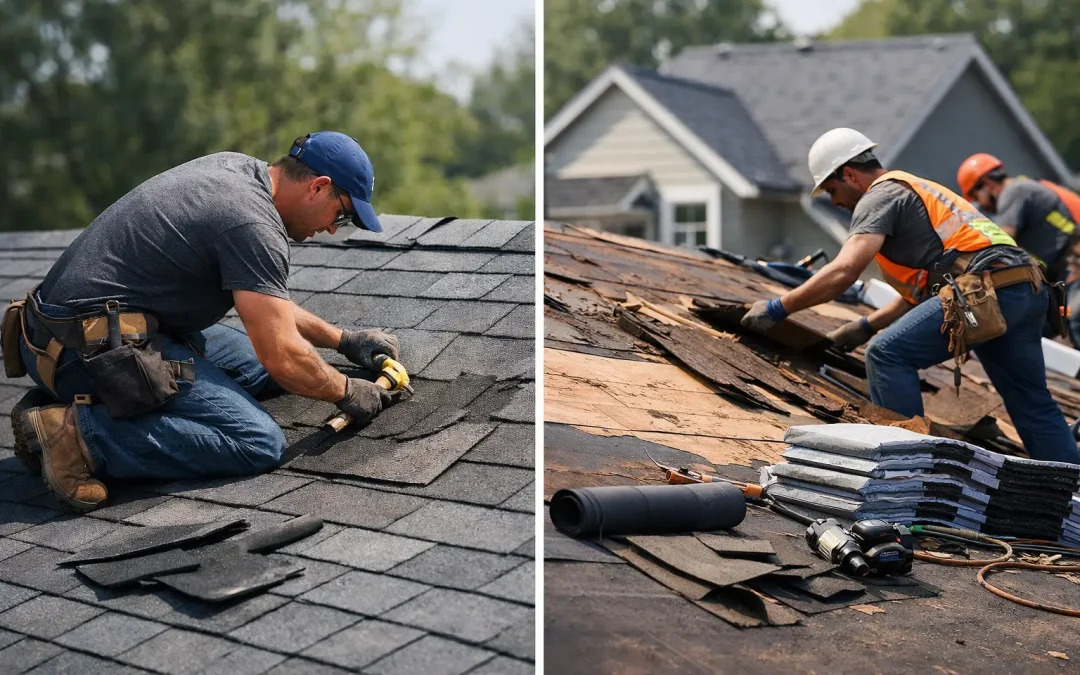
A slipped tile after high winds, a damp patch on the bedroom ceiling, or water running down an external wall can quickly raise the same question: is this a case for roof repair or replacement? The right answer is rarely based on one visible issue alone. It depends on the age and condition of the roof, the extent of the damage, and whether a targeted repair will give your home dependable protection for years to come.
A good roofing contractor should not push a full replacement where a sound repair will do. Equally, repeatedly patching a roof that has reached the end of its working life can become expensive, frustrating and leave your property exposed to further damage. A proper survey is the best place to start.
Roof Repair or Replacement: Start With the Roof’s Condition
The first question is whether the problem is localised or part of a wider decline. A roof can look tired from ground level while still being structurally sound. On the other hand, a small internal leak may be the first obvious sign of worn underfelt, deteriorating flashing or widespread tile movement.
A repair is often the sensible option when the rest of the roof is in good order. This may include replacing a small number of broken or missing tiles, repairing lead flashing around a chimney, sealing a failed valley, fixing ridge tiles, or dealing with a leak on a flat roof. These jobs can protect the property without the cost and disruption of stripping the whole roof.
Replacement becomes more likely when faults are widespread, materials are heavily worn, or the roof has been repaired several times without resolving the underlying issue. The key is to look beyond the immediate symptom. Water marks inside the home, for example, do not always sit directly below the point where water is entering the roof.
Signs a Roof Repair May Be Enough
If damage has a clear, contained cause, a well-fitted repair can be an excellent long-term solution. Storm damage is a common example. A few tiles may have slipped or cracked, but the surrounding roof covering, battens and underlay may still be in good condition.
A repair is also worth considering where a chimney flashing has lifted, mortar has failed on ridge tiles, or a section of guttering is overflowing onto the roofline. In these situations, acting promptly can prevent a manageable issue becoming a much larger one.
Common signs that a repair may be suitable include:
- A small number of cracked, loose or missing roof tiles
- A leak that can be traced to a specific flashing, valley or roof detail
- Local damage caused by wind, impact or blocked guttering
- A generally sound roof with no evidence of widespread deterioration
The quality of the repair matters as much as the decision to repair. Replacement tiles should be properly matched where possible, flashing should be securely fitted, and the surrounding area should be checked rather than simply covered over. A quick surface patch may stop water briefly, but it is not the same as putting the fault right.
When Roof Replacement Is the Better Investment
A full re-roof is a larger commitment, but it can be the more cost-effective decision if the existing roof is reaching the end of its life. Older roofs can develop several linked problems at once: cracked tiles, failing underfelt, rotten battens, loose ridge work and poor ventilation. Repairing one area may simply reveal the next weak point.
Replacement is often recommended where there is widespread tile damage, repeated leaks in different areas, sagging sections, visible deterioration to the roof structure, or a roof covering that has become unreliable through age. If you have paid for several repairs in recent years and still lack confidence when heavy rain arrives, it is worth discussing whether a re-roof would offer better value.
A replacement also gives homeowners the chance to improve more than the visible roof covering. Damaged timber can be addressed, breathable membrane can be installed where appropriate, and roofline elements such as fascias, soffits and guttering can be renewed at the same time. This can improve weather protection and give the property a cleaner, more cared-for appearance.
That does not mean every older roof needs replacing. Many roofs last well when they have been maintained properly. The decision should be based on evidence found during an inspection, not a blanket rule based on age alone.
The Cost Difference Is More Than the Initial Quote
It is natural to compare repair and replacement costs, but the cheapest price at the start is not always the best value over time. A straightforward repair will normally cost less than a full re-roof because less material and labour are involved. For a sound roof with one isolated defect, that is usually the right choice.
However, if repairs are required repeatedly, the totals can soon add up. There is also the risk of internal damage if leaks continue or return. Damp insulation, stained plaster, damaged decorations and mould can all increase the eventual cost of delaying necessary work.
A clear quotation should explain what work is being proposed and why. If replacement is advised, homeowners should understand the condition of the current roof, what materials are included, whether any timber repairs may be needed, and how the work will be managed. There should be no pressure to make a rushed decision.
Be cautious of prices that seem unusually low. Roofing work involves safe access, suitable materials, skilled fitting and responsible waste removal. Cutting corners on any of these can lead to poor results and further expense. A fully insured contractor with a record of completed local work provides a much safer basis for making a decision.
Do Not Overlook Flat Roofs and Roofline Details
The same repair-or-replacement decision applies to flat roofs, fascias, soffits and guttering. A small split in a rubber flat roof, a failed edge detail or a blocked outlet may be repairable if the rest of the covering remains sound. If the surface is badly cracked, water is pooling regularly, or the roof has leaked in several places, replacement may provide the more dependable answer.
Roofline details should also be taken seriously. Leaking or overflowing gutters can soak fascias and brickwork, while failing soffits can allow moisture and pests into roof spaces. These issues may not mean the main roof needs replacing, but they should be dealt with before they contribute to wider damage.
A thorough inspection looks at how all these parts work together. Your roof is not just tiles or a flat covering. It is a complete system designed to direct water safely away from your home.
What to Expect From a Proper Roofing Survey
Before agreeing to any work, ask for a clear assessment of the problem. A reliable roofer should inspect the affected area, look for related defects, and explain the options in plain language. You should be able to ask whether a repair is likely to last, what could happen if work is postponed, and why replacement is or is not being recommended.
For homeowners across Nottingham and the wider Midlands, MTF Roofing Ltd takes a practical approach: assess the condition, recommend the work that is needed, and complete it with care. Whether the answer is a small roof repair, new guttering, a rubber flat roof or a complete re-roof, tidy workmanship and clear communication should remain the standard.
If you have noticed a leak, loose tile or ageing roofline, do not wait for the next spell of bad weather to make the decision for you. Arrange a no-obligation inspection, ask the questions that matter, and choose the work that gives your home the protection it genuinely needs.