A roof rarely fails all at once. It usually gives homeowners plenty of warning first: slipped tiles after high winds, recurring leaks, a sagging ridge line, or repairs that seem to return every winter. This homeowner guide to reroofing explains when a full replacement may be the sensible option, what affects the cost, and how to approach the work with confidence.
A re-roof is a significant investment, but it is also one of the most effective ways to protect the structure, appearance and value of your home. Done properly, it gives you a sound roof covering, dependable weather protection and the chance to put right issues hidden beneath ageing tiles or slates.
When Does a Roof Need Reroofing?
Not every roof problem calls for a replacement. A broken tile, localised leadwork issue or small flat-roof defect can often be repaired effectively. The question is whether the roof remains fundamentally sound, or whether repeated repairs are only delaying a larger problem.
A professional survey should always come before a decision. From ground level, it is difficult to judge the condition of underfelt, battens, valleys, flashing and roof timbers. A roof can look tired but still have years of service left, while another can appear acceptable and have widespread deterioration beneath the covering.
There are, however, several signs that make a re-roof worth discussing:
- Tiles or slates are regularly slipping, cracking or becoming loose.
- Leaks keep returning in different areas of the roof.
- The roof line appears uneven, sagging or visibly worn.
- The felt and battens beneath the covering have deteriorated.
- Previous patch repairs are widespread or no longer holding up.
The age of the roof matters, but it is not the only factor. Some older roofs have been well maintained and can be repaired. Others have reached the point where replacing the covering is more cost-effective and dependable than continuing to patch it.
A Homeowner Guide to Reroofing: What the Work Includes
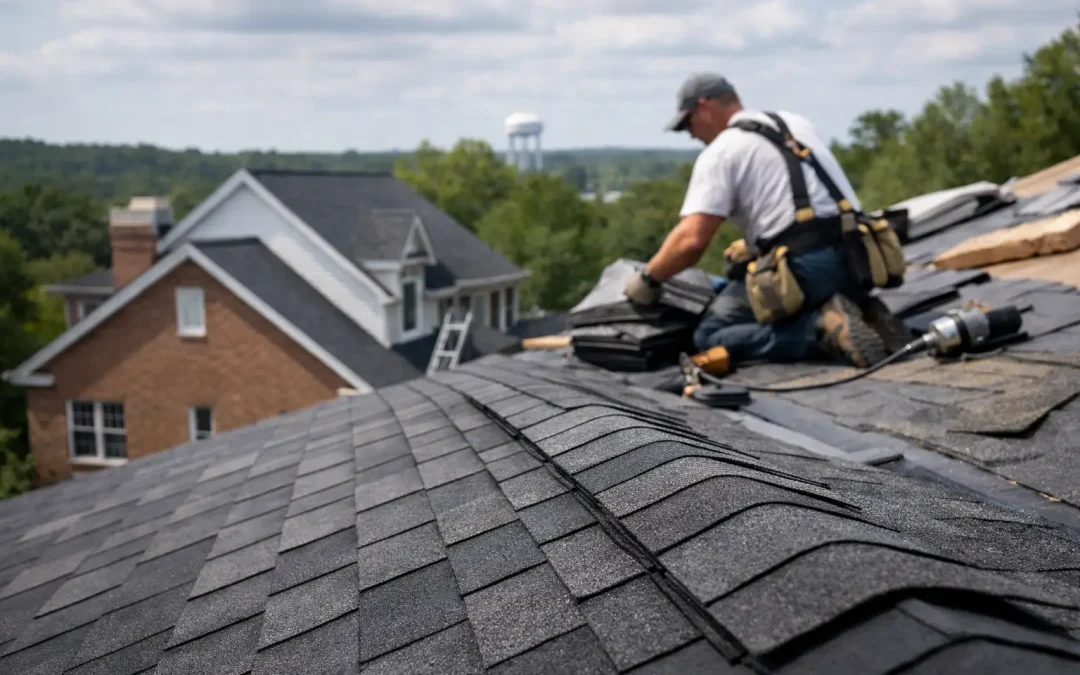
A proper re-roof is more than fitting new tiles. Depending on the findings of the survey and the agreed specification, the old roof covering is carefully removed, the supporting structure is checked, and the new system is installed in layers.
This commonly includes new breathable membrane, treated timber battens, tiles or slates, ridge and hip components, leadwork where required, and replacement of damaged timber. It can also be the right time to improve ventilation, renew valleys or upgrade roofline products such as fascias, soffits and guttering.
The exact scope depends on the property. A straightforward pitched roof on a modern house is very different from a large Victorian roof with chimneys, valleys, dormers and difficult access. The aim should not be to sell unnecessary work, but to identify what is needed to leave the roof secure and properly finished.
Choosing the Right Roof Covering
Many homeowners choose tiles that closely match the existing roof and suit the character of the street. Concrete tiles are a practical and widely used option, while clay tiles can provide a traditional appearance and long service life. Natural slate has a distinctive finish but is typically a higher-cost material and requires the right roof structure and skilled installation.
The best choice is not always the most expensive one. It should suit your property, budget, roof pitch and local surroundings. Colour, profile and tile size all affect the finished appearance, particularly on semi-detached and terraced homes where a poorly matched roof can stand out for the wrong reasons.
If part of the property has a flat roof, such as an extension, porch or garage, it may need a different solution. Modern rubber flat roofing systems can provide a clean, durable finish when fitted correctly, but the condition of the deck, edge details and drainage must all be considered.
What Affects the Cost of a Re-Roof?
No reliable contractor should give a final re-roof price without inspecting the property. Every roof has its own access requirements, size, shape and condition. A clear written quotation should explain what is included, rather than simply presenting one figure with no detail.
The main cost factors are the roof area, pitch, number of ridges and valleys, chimney work, chosen materials, scaffolding, waste removal and the condition of the underlying timber. Replacing a few rotten battens is different from finding extensive damage once the old covering is removed.
This is why it is worth allowing a sensible contingency in your budget. A good contractor will explain that hidden issues can only become visible after the roof is stripped, and will discuss any additional work before proceeding. Unexpected findings should never be used as an excuse for vague pricing or pressure on the homeowner.
It can be tempting to choose the lowest quote, particularly when several estimates differ widely. Yet a low price may exclude scaffolding, disposal, membrane, leadwork, guttering or essential finishing details. Compare like for like and ask what materials, preparation and guarantees are included. A cheaper job that needs early repairs is rarely good value.
Planning the Work Around Your Home
Reroofing is disruptive, but a well-organised team can keep that disruption manageable. Scaffolding is normally erected first, followed by delivery of materials. The existing covering is removed in controlled sections where possible, so the property is not left exposed unnecessarily.
Weather can affect the programme. Professional roofers plan around forecasts and protect the roof as work progresses, but heavy rain or high winds can make certain tasks unsafe. A realistic contractor will not promise that weather has no bearing on the job. Clear communication matters more than unrealistic assurances.
You may hear noise from tile removal, cutting and loading waste, and there will be activity around the driveway and outside the property. Move vehicles if requested, keep children and pets away from the working area, and let neighbours know when scaffolding or deliveries are expected. These small steps help the project run more smoothly.
Most standard homes do not need planning permission for a like-for-like re-roof, but there are exceptions. Listed buildings, conservation areas and major changes to the roof’s appearance may require further checks. Replacement roof work must also meet current building requirements, particularly where insulation and thermal performance are affected. An experienced roofing contractor can explain what applies to the planned work.
How to Choose a Roofing Contractor
A new roof should last for many years, so this is not work to hand to the first person who knocks at the door. Look for a contractor with established experience, appropriate insurance, genuine customer feedback and a clear local reputation.
Ask for a written quotation that sets out the materials, work included, payment terms and expected timescale. You should also understand who will be carrying out the work and how the site will be left at the end of each day. Good workmanship includes protecting the property, working safely and cleaning up properly, not just fitting the visible tiles.
Be cautious of high-pressure sales tactics, cash-only demands and prices that seem too good to be true. A trustworthy roofer will give you time to consider the quotation, answer practical questions clearly and explain any recommended work in plain language.
For homeowners across Nottingham and the wider Midlands, MTF Roofing Ltd takes this straightforward approach: survey the roof carefully, provide a clear quotation, use quality materials and complete the job with proper care for the home.
Do Not Forget the Roofline
A re-roof is often the best opportunity to inspect or replace fascias, soffits and guttering. These parts direct rainwater away from the property and support the roof edge, yet they are easy to overlook until they start to rot, leak or sag.
If the roofline is in good condition, there may be no need to replace it. If it is failing, completing the work while scaffolding is already in place can be more practical than arranging a separate job later. The same applies to gutters that are undersized, poorly aligned or damaged by years of weather.
A Roof You Can Rely On
The right re-roof should leave you with more than a neater-looking home. It should provide confidence when the next spell of heavy rain or strong wind arrives. Take the time to have the roof assessed properly, understand the quotation and choose workmanship you can trust. A careful decision now can save years of avoidable repairs later.