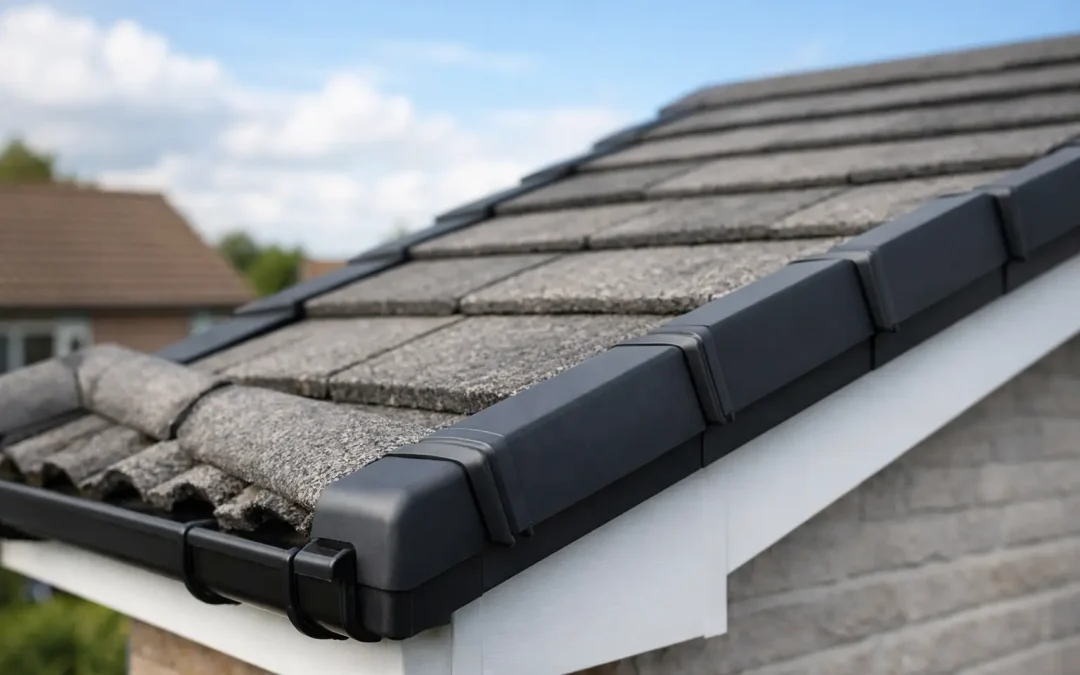
A loose tile at the edge of a gable roof can look like a small problem, but it is often where wind and rain first find a way in. Traditional mortar verges can crack, crumble and detach over time, particularly after years of weather exposure. A dry verge system provides a smart, mechanically fixed alternative that helps keep this vulnerable roof edge secure and looking tidy.
For homeowners, the benefits of dry verge systems are straightforward: improved protection from the weather, less reliance on ageing mortar and a neater finish to the roofline. It is a practical upgrade that can make a real difference during a re-roof or when damaged verges need attention.
What is a dry verge system?
The verge is the exposed edge of a pitched roof where the tiles meet the gable end of the property. On many older homes, the tiles along this edge are bedded into mortar. While this has been a common method for many years, mortar is exposed to rain, frost, heat and movement in the roof structure. Eventually, it can deteriorate.
A dry verge system uses purpose-made caps or units that fit over the outer edge of the roof tiles. These are fixed mechanically, rather than relying on wet mortar to hold them in position. The exact fitting method depends on the roof tile profile and system being installed, but the aim is the same: to create a secure, weather-resistant edge with a clean, consistent appearance.
Dry verge units are usually fitted as part of a new roof installation, but they can also be considered during a roof repair where the existing verge construction and tiles are suitable. A proper survey is essential before any recommendation is made.
The main benefits of dry verge systems
Better protection at the roof edge
The verge is one of the most exposed parts of a roof. Strong winds can get underneath loose or poorly bonded edge tiles, while driving rain can exploit gaps in cracked mortar. Once tiles begin to move, the problem can worsen quickly.
A correctly installed dry verge system helps secure the outer tiles and cover the edge of the roof more effectively. It is not a replacement for sound roof construction, underfelt or battens, but it adds a reliable layer of protection where the roof meets the gable wall. This can help reduce the risk of wind-lifted tiles and rain getting into vulnerable areas.
No mortar to crack or fall away
This is one of the biggest reasons homeowners choose dry verge systems. Mortar is prone to weathering. Frost can cause small cracks to expand, rain can wash out weak sections and natural movement in the roof can loosen the bond over time.
With a dry verge, there is no exposed mortar joint running along the roof edge. That means no regular patching of crumbling cement and less chance of loose mortar falling onto paths, driveways or garden areas below. For a property owner who is tired of repeated small repairs, this can be a worthwhile long-term improvement.
A cleaner, more uniform appearance
A roof can be structurally sound and still look tired because of broken mortar lines, uneven repairs or mismatched patches at the gable end. Dry verge units give the roof edge a more consistent finish from ridge to eaves.
They are available in colours designed to complement common roof tile shades, including black, brown, grey and terracotta-style tones. The right choice should blend sensibly with the existing roof rather than stand out for the wrong reasons. On a full re-roof, dry verge systems can help give the completed work a sharp, well-fitted appearance.
Reduced maintenance over time
No roofing product is completely maintenance-free. Roofs should still be checked after severe weather, and gutters, tiles and flashings all need attention when problems arise. However, dry verge systems remove one of the common maintenance points found on mortar-bedded verges.
Because the units are mechanically fixed, there is no cement edge to repoint every few years as it begins to fail. This can save time, avoid repeated disruption and reduce the likelihood of minor verge defects being left until they become a larger repair.
A useful option for re-roofing work
A re-roof is the best time to consider a dry verge system. The old tiles, battens and roof edge details can be assessed properly, and the new verge can be fitted as part of the wider installation rather than added as an afterthought.
When fitting a new roof, it makes sense to look at the whole roofline: tile condition, underlay, battens, ridges, gutters, fascias and soffits. Choosing a dry verge at this stage can help ensure the roof edges receive the same standard of finish as the rest of the work.
Less mess during installation
Traditional wet verges involve mixing and applying mortar. In contrast, dry verge units are fitted without wet cement at the roof edge. This can make installation cleaner and more straightforward, especially when the work is planned alongside other roofing improvements.
The work still needs careful preparation and accurate fitting. A tidy-looking verge is only as good as the roof beneath it. The tiles must be correctly aligned, the supporting timbers must be sound and each unit must be properly secured.
When a dry verge system may not be the right answer
Dry verge systems suit many modern tiled roofs, but they are not a one-size-fits-all repair. The tile profile, condition of the existing roof, gable construction and the type of property all matter.
For example, if a roof has widespread slipped tiles, rotten battens, damaged underfelt or failing timber at the verge, fitting new caps alone will not solve the underlying issue. Those defects should be dealt with first. In some cases, a more extensive repair or re-roof will be the sensible and more cost-effective route.
Older or more characterful properties may also need a different approach. The appearance of the building, existing roof details and any local planning considerations should be taken into account before changing the verge finish. A good roofing contractor will explain the available options clearly rather than fitting a system that does not suit the property.
Why fitting quality matters
A dry verge system is only effective when it is matched to the correct tile type and installed carefully. Poorly fitted units can leave gaps, look uneven or fail to secure the tiles as intended. The same applies if the system is installed over weak roof materials without addressing the cause of the problem.
Before work begins, the roof edge should be inspected for loose tiles, damaged battens, failing undercloak, rotten timber and signs of water ingress. The installer should then use compatible components and follow the manufacturer’s fixing requirements. Attention to these details is what gives the finished verge its strength, weather resistance and clean appearance.
For homeowners across Nottingham and the wider Midlands, it is worth choosing a contractor who will assess the roof properly, provide a clear quotation and leave the site tidy once the work is complete. At MTF Roofing Ltd, the focus is on recommending work that suits the condition of the roof, not simply replacing one visible part and leaving hidden issues behind.
A sensible upgrade for an exposed part of the roof
If the mortar along your gable ends is cracked, missing or regularly needing attention, a dry verge system is well worth discussing during a roof repair or replacement survey. It can give the roof edge a more secure finish, reduce future maintenance and improve the overall look of the property.
The right solution depends on what is happening beneath the tiles as well as what can be seen from the ground. A straightforward inspection and honest advice will help you decide whether a dry verge repair, a wider roof repair or a planned re-roof is the best way to protect your home.