A roof that is nearing the end of its working life rarely improves with time. Slipped tiles, tired felt, sagging guttering and persistent damp marks can all affect the appearance, protection and value of your home. The right roof upgrade ideas do more than freshen up the exterior – they address the whole roof structure and roofline, helping to protect the property for many years ahead.
For homeowners planning a substantial improvement, a new roof is an opportunity to choose durable materials, improve drainage and give the house a cleaner, better-finished appearance. The best option depends on the age and design of the property, the condition of the existing roof and the work needed around it.
1. Replace an ageing pitched roof
A complete re-roof is often the most sensible choice when a roof covering is worn across a large area, has been repaired repeatedly or is approaching the end of its expected lifespan. Rather than addressing one issue at a time, a full replacement allows the whole roof to be assessed and renewed as one properly planned project.
This may include removing the old covering, checking the roof structure, fitting new breathable membrane and battens, then installing new tiles or slates with suitable ridges, verges and flashings. It provides a consistent finish and avoids the patchwork appearance that can result from years of isolated work.
The immediate visual change is often striking, but the long-term benefit is just as important. A professionally installed new roof gives homeowners confidence that the property is protected from the weather with materials suited to the building.
2. Choose tiles or slates that suit the property
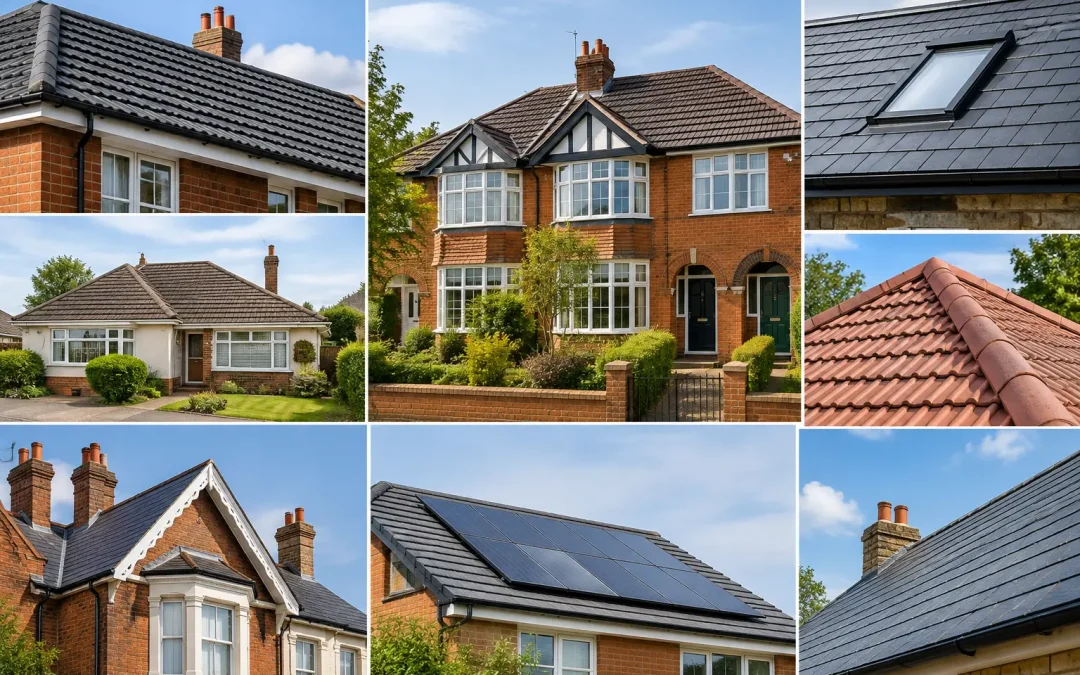
A roof covering should complement the character of the home rather than simply follow a trend. Concrete tiles are a practical, widely used option, available in colours and profiles to suit many properties. Clay tiles can offer a more traditional appearance, while slate can be an excellent choice for homes where its natural finish and longevity are appropriate.
Weight, pitch and local surroundings all matter. For example, a material that looks right on a steep traditional roof may not be suitable for a lower-pitched extension. A proper roof assessment helps establish what will work safely and look right once installed.
Colour also deserves thought. Darker tones can give a crisp, modern finish, while warmer reds, browns and mixed shades may better suit older homes. The aim is not to make the roof stand out for the wrong reasons, but to make the whole property look well maintained.
3. Upgrade the membrane, battens and detailing
Some of the most valuable improvements sit beneath the visible roof covering. When a roof is replaced, fitting quality breathable membrane and treated battens creates a sound foundation for the new tiles or slates. These components help manage moisture and support a well-finished installation.
Details around chimneys, valleys, roof windows and abutments matter just as much. These are areas where water is directed or where two parts of the building meet, so careful flashing and weathering work is essential. Good workmanship is not just about straight tile lines from the ground. It is about making sure the roof performs properly in heavy rain and changing conditions.
4. Replace a worn flat roof with modern EPDM
Flat roof replacement is one of the most worthwhile upgrades for garages, extensions, porches and dormers. Older coverings can become cracked, blistered or prone to standing water, particularly where they have been repaired several times over the years.
EPDM rubber roofing is a popular modern option because it provides a durable, neat and low-maintenance finish. It is well suited to many residential flat roofs and can be installed as part of a complete upgrade, including new deck preparation, edge trims and improved drainage where required.
A flat roof should never be treated as an afterthought. The condition of the decking, the fall that directs water away and the detailing at walls and edges all need careful attention. Replacing the covering without dealing with these underlying points can limit the benefit of the project.
5. Renew fascias, soffits and guttering together
Fascias, soffits and guttering frame the roofline and play a central role in moving rainwater safely away from the property. When these components are faded, damaged or no longer secure, they can make an otherwise sound home look neglected. More seriously, poorly performing guttering can allow water to overflow onto walls, brickwork and foundations.
Replacing them at the same time as a new roof often makes practical and financial sense. Access is already in place, colours can be matched and the completed job has a consistent appearance. Modern uPVC roofline products are low maintenance and available in finishes that suit both traditional and more contemporary homes.
Guttering should be sized and positioned correctly for the roof area. This is especially relevant on larger roofs or properties exposed to heavy rainfall, where inadequate drainage can soon become apparent.
6. Improve roof ventilation where it is needed
A loft needs the right balance of ventilation to help control condensation. Without suitable airflow, moisture can build up in the roof space and contribute to damp timbers, mould and insulation problems. This is not always visible from inside the home until the issue has developed.
Ventilation upgrades may be incorporated during a re-roof through eaves vents, tile vents or other suitable measures. The correct approach depends on the roof construction and insulation arrangement, so this should be assessed as part of the wider work rather than added without a plan.
It is also worth remembering that ventilation is not a substitute for a watertight roof. A quality installation needs both weather protection on the outside and sensible moisture management within the roof space.
7. Consider insulation as part of a larger project
If the loft is accessible while roofing work is planned, it can be a good time to review insulation levels. Heat rises, and an under-insulated roof space can make rooms below less comfortable and more expensive to heat.
The right improvement depends on whether the loft is used only for storage or forms part of a converted living space. Insulation must be installed without blocking necessary ventilation routes or creating condensation risks. A roofing contractor can identify roof-related considerations, while specialist advice may be appropriate for more complex insulation or conversion work.
This is a good example of why substantial roofing projects benefit from a joined-up plan. The visible new roof is only one part of protecting and improving the home.
8. Refresh the look of dormers, bays and porches
Smaller roof sections can have a big effect on kerb appeal. A tired dormer roof, porch canopy or bay window roof can date the front of a property even if the main roof remains serviceable. Where these areas are reaching the end of their life, renewing them alongside the main roof helps create a more balanced finish.
Matching materials where possible usually gives the best result. In some cases, a flat roof section may be better upgraded in EPDM while the main pitched roof receives new tiles. The important point is that each roof area is finished using a system suited to its design and exposure.
9. Plan for access, disruption and site care
A roof replacement is a significant project, so the installation process matters. Professional planning should cover safe access, protection for the property, sensible waste removal and a thorough cleanup once the work is complete. Homeowners should know what is being done, what materials are proposed and how long the work is likely to take.
There will be unavoidable noise and activity while old materials are removed and the new roof is installed. However, clear communication and an organised site make a real difference. A reliable contractor will explain the scope of work clearly and raise any unexpected findings promptly, rather than leaving homeowners uncertain about the next step.
10. Invest in workmanship, not just the visible finish
The lowest quotation is not always the best value. Roofing is a trade where preparation, fitting details and material quality have a direct effect on how well the finished roof performs. A cheaper price can become costly if key elements are overlooked or if work needs to be revisited soon afterwards.
When comparing quotations, look for a clear description of the work, including removal of the existing roof where applicable, the proposed materials, associated roofline work and site cleanup. Ask whether the contractor is fully insured and whether they have experience with projects similar to yours.
For homeowners across Nottinghamshire, Derbyshire and the surrounding areas, MTF Roofing provides clear assessments and free, no-obligation quotations for complete re-roofs, new roofs, flat roof replacements and roofline upgrades. With more than 15 years of hands-on experience, the focus is on doing the job properly and leaving the property looking protected, tidy and well finished.
A roof upgrade is a long-term decision, so it is worth choosing work that improves both the appearance and the practical protection of your home. If you are considering a full replacement or substantial roofline improvement, arranging a professional assessment is a sensible place to start.