A tired roofline can make an otherwise well-kept home look neglected, but the bigger concern is what it may be allowing behind the scenes. Fascia and soffit replacement Nottingham homeowners arrange is often prompted by peeling paint, rotting timber, sagging gutters or damp marks around the eaves. Replacing these components properly protects the edge of the roof, improves ventilation and gives the property a clean, lasting finish.
Fascias, soffits and guttering work as one system. If one part has reached the end of its useful life, it is sensible to assess the full roofline rather than treating each visible issue in isolation. This is particularly true on older properties where original timber boards have been repeatedly painted over and gutters no longer fall correctly towards the downpipes.
What fascias and soffits do for your home
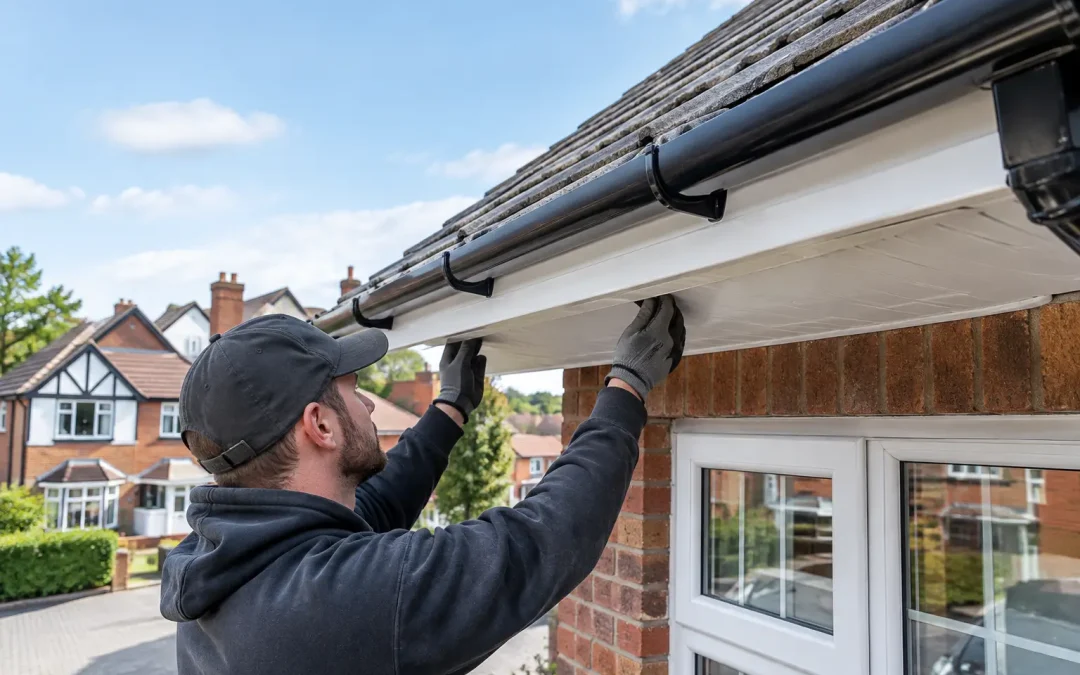
The fascia is the long board fixed along the lower edge of the roof. It supports the guttering and provides a straight, protected finish where the roof meets the walls. The soffit is fitted beneath the fascia, closing the gap between the roof edge and the property while allowing airflow into the roof space where required.
Together, they do more than improve kerb appeal. A sound roofline helps keep rainwater directed away from brickwork, windows and foundations. It also prevents exposed timber and gaps at the eaves from becoming an easy route for moisture, birds or insects.
Where the roof has adequate ventilation, a properly designed soffit arrangement can help reduce condensation in the loft. The precise requirement depends on the roof construction and existing ventilation, so this should be considered during a site assessment rather than assumed from the outside alone.
Signs fascia and soffit replacement is the right choice
Timber fascias can often be maintained for a time, but there comes a point when repainting is no longer a worthwhile answer. Soft or crumbling wood, widespread flaking paint and boards that have pulled away from the roofline are clear signs that replacement should be considered.
Gutters that regularly overflow or sag can also point to a roofline issue. Sometimes the gutter itself is old or poorly supported. In other cases, the fascia behind it has deteriorated and can no longer hold the gutter brackets securely. Replacing guttering without addressing weakened backing boards may only postpone the problem.
Look out for staining beneath the eaves, damp patches on upper walls, visible gaps, nesting activity or persistent drips after rain. These do not always mean the roof covering has failed, but they warrant a professional inspection. Water can travel, so the point where a mark appears is not always the point where it enters.
For homes with an ageing roof, fascia and soffit work is often best planned alongside a complete re-roof. Access is already in place, the roof edge can be examined properly, and the finished installation can be coordinated as one job. This avoids disrupting a newly completed roofline at a later date if the roof covering then requires replacement.
Choosing materials for a replacement roofline
Most replacement rooflines in Nottingham are fitted in quality uPVC. It is a practical choice for homeowners who want a durable, low-maintenance finish without the regular preparation and painting associated with timber. White remains popular, though black, grey and wood-effect finishes can suit the character of the property when chosen carefully.
The quality of the installation matters as much as the surface finish. New boards must be securely fixed, gutters need the right fall towards outlets, and joints should allow for normal movement through changing temperatures. A neat-looking installation that does not manage rainwater correctly will soon create avoidable problems.
There is also a difference between fitting a thin capping board over existing timber and removing deteriorated boards before installing a full replacement system. Capping can be suitable where the timber beneath is genuinely sound, dry and secure. However, it is not a solution for rot, movement or hidden decay. When a roofline is in poor condition, full replacement provides a more dependable long-term result.
Soffit ventilation should be specified for the property, not simply added as a standard feature. Some roofs need ventilation at the eaves as part of a wider airflow path, while others have alternative ventilation arrangements. An experienced roofer will inspect the roof space and recommend what is appropriate.
The fascia and soffit replacement process
A professional replacement starts with an assessment of the complete roof edge. This includes the existing fascia boards, soffits, guttering, downpipes, roof tiles or slates at the eaves, and any signs of water damage to the surrounding structure. It is the right time to identify whether the property would benefit from wider roofing work.
Once the scope is agreed, the old guttering and roofline materials are carefully removed. Any exposed timber or areas around the roof edge can then be checked properly. If issues are found, they should be explained clearly before work moves forward, rather than concealed beneath new boards.
The replacement fascias and soffits are fitted securely and aligned to create a straight finish. New guttering and downpipes are then installed with suitable outlets and falls, so rainwater is carried away efficiently. The team should leave the site clean and remove old materials as part of the job.
On larger homes, scaffold access may be necessary for safe, accurate work. While this adds to the initial cost, it allows the installation to be completed properly and gives the contractor safe access to inspect the roof edge in detail. The final price depends on the size and height of the property, access requirements, the condition of the existing boards, chosen materials and whether guttering or roofing work is included.
When to combine roofline work with a new roof
Replacing fascias, soffits and gutters can transform the appearance of a home in its own right. However, if roof tiles are ageing, the underfelt is failing or there are recurring issues around the eaves, a wider assessment makes good sense. A new roof provides the opportunity to renew the roofline, inspect the supporting timbers and ensure each element works together.
This approach can be more cost-effective than arranging separate projects over a short period. It also creates a consistent finish, particularly where new guttering, roof tiles, verge details and flashings need to complement one another. It depends on the actual condition of the roof, not simply its age, which is why clear advice after an inspection is valuable.
MTF Roofing Ltd has more than 15 years of hands-on experience delivering substantial roofing and roofline improvements across Nottinghamshire and Derbyshire. Homeowners should expect an honest assessment, a clear quotation and workmanship focused on doing the job properly, not on recommending work that is unnecessary.
Questions to ask before choosing a contractor
Before accepting a quotation, ask whether the existing timber will be inspected and whether any damaged sections will be removed rather than covered. Confirm what is included for gutters, downpipes, ventilation, waste removal and access. It is also reasonable to ask about insurance, previous work and how any unexpected issues uncovered during the installation will be handled.
A written quotation should describe the materials and scope clearly enough for you to understand what is being replaced. The cheapest figure is not always the best value if it leaves out essential work, uses unsuitable materials or relies on covering over problems that should be resolved.
If your guttering is overflowing, timber boards are showing signs of decay or the roofline no longer suits the condition of the rest of your home, arrange a free, no-obligation quotation. A careful assessment now can help you plan the right improvement and keep the roof edge protecting your home for many years.