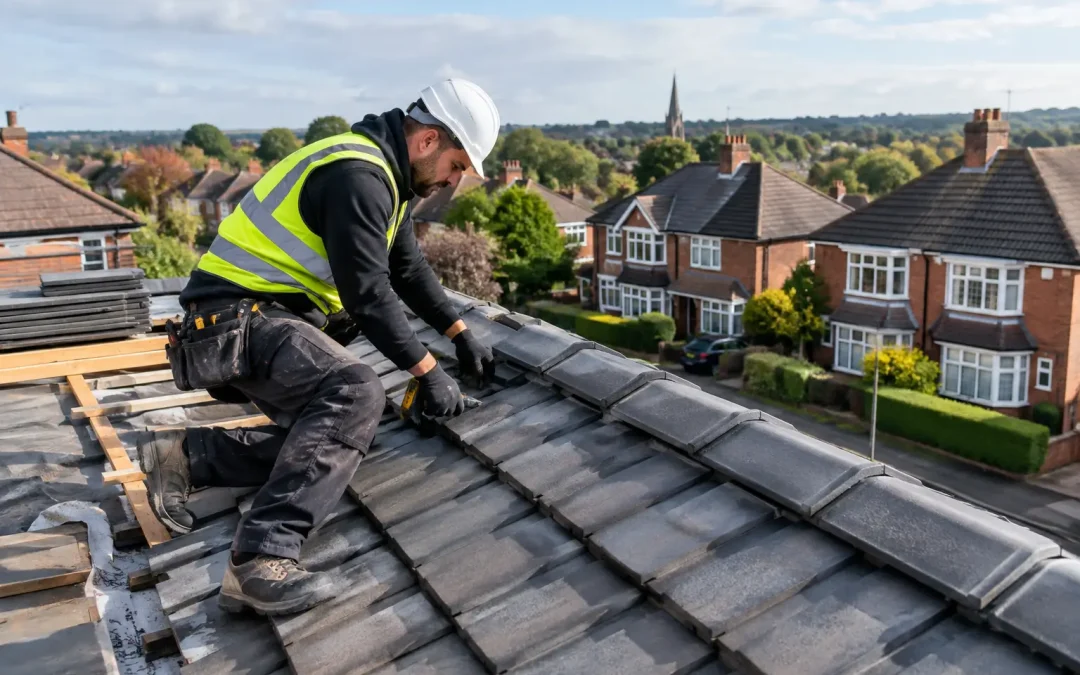
A new roof installation in Nottingham is a significant investment, but it is also one of the most effective ways to protect your home from the weather and improve its appearance. When tiles are failing, the roof covering is nearing the end of its life or repeated issues are becoming costly, a complete replacement can offer better value and greater peace of mind than continuing to patch an ageing roof.
For homeowners, the key is not simply choosing a new covering. It is understanding what the work involves, which materials suit the property, and how to choose a contractor who will carry out the installation properly from start to finish.
When a New Roof Installation in Nottingham Is the Right Choice
Most roofs do not fail overnight. Deterioration is usually gradual, with small signs becoming more noticeable over time. Slipped or cracked tiles, worn mortar, recurring leaks, sagging areas and visible daylight in the loft can all point to a roof that needs closer attention.
A few isolated damaged tiles may not always mean a replacement is necessary. However, if problems are appearing across several sections of the roof, the underlay has deteriorated, or repairs are becoming frequent, a complete re-roof is often the more sensible long-term option. It allows the roof structure and coverings to be assessed as a whole rather than treating individual symptoms.
Age is another factor. Many older roofs have served a property well for decades, but materials eventually wear down under changing temperatures, rainfall, wind and frost. A planned replacement gives homeowners the opportunity to deal with the roof before a major failure causes internal damage or disruption.
What Is Included in a Complete Roof Replacement?
A properly planned roof replacement is more than fitting new tiles or slates. The existing roof covering is carefully removed so the condition of the roof can be inspected. This is the point at which any concerns with timbers, battens, underlay or ventilation can be identified and addressed as needed.
Once the roof is prepared, new breathable membrane, treated battens and the chosen roof covering can be installed. Details around valleys, chimneys, verges, ridges and roof windows need particular care, as these are areas where poor workmanship can lead to water ingress later on.
The exact scope depends on the property and the condition of the existing roof. A straightforward tiled roof replacement is different from a project involving structural alterations, multiple roof slopes or adjoining flat roof areas. A site assessment and clear quotation should explain what is included before work begins, rather than leaving important details unclear.
Choosing Materials That Suit Your Home
The right roof covering should complement the property, perform well in local conditions and fit the available budget. Concrete tiles remain a practical option for many homes, offering a wide choice of colours and profiles. Clay tiles can provide a more traditional finish and are often chosen for period properties or homes where appearance is a priority.
Natural slate has a distinctive look and can be exceptionally long-lasting when correctly installed, although it is usually a higher-cost option. Fibre cement slate may suit homeowners looking for a lighter, more cost-conscious alternative with a clean, consistent appearance.
The best choice depends on the roof pitch, the property style, local planning considerations where applicable and the supporting structure. It is worth discussing samples and options during the quotation stage rather than selecting materials on appearance alone. A roof needs to work as well as it looks.
Do Not Overlook Fascias, Soffits and Guttering
A roof replacement is often the right time to consider the roofline. Fascias, soffits and guttering help protect the edges of the roof and manage rainwater safely away from walls and foundations. If these components are cracked, rotten, leaking or outdated, replacing them alongside the roof can create a neater finish and avoid separate disruption later.
Modern roofline products are generally low maintenance and can improve the overall appearance of the property. More importantly, correctly fitted guttering and downpipes help prevent water from overflowing onto brickwork, windows and pathways.
Not every property needs new roofline work at the same time. If the existing fascias, soffits and gutters are in sound condition, they may be retained. An honest assessment should set out whether replacement is necessary, beneficial or simply optional.
Flat Roofs Need the Right System
Many homes have flat roof sections over garages, extensions, porches or dormers. These areas should be assessed as part of the wider project, particularly where they meet a pitched roof or share drainage details.
EPDM is a popular option for residential flat roof replacement because it provides a durable, weather-resistant surface with few joins. It can be a practical choice for many domestic applications when installed over a properly prepared deck with suitable edge details and drainage.
As with pitched roofing, preparation is vital. A new flat roof covering cannot compensate for rotten decking, inadequate falls or poorly formed upstands. The lasting quality of the work depends on the complete installation, not just the visible finish.
What to Expect During Installation
A professional roofing project starts with a survey of the property and a discussion about your priorities. This should cover the condition of the roof, material options, likely timescales and any related work such as roofline replacement or flat roofing.
Before work starts, access arrangements, scaffolding and the protection of the surrounding area should be considered. Roofing is naturally disruptive for a short period, but a well-organised team can keep the site tidy and minimise inconvenience. Old materials should be removed responsibly, and the area should be cleared once the project is complete.
Weather can affect roofing schedules. Rain, high winds or freezing conditions may mean certain stages need to be delayed to maintain safe working practices and installation standards. This can be frustrating, but rushing weather-sensitive work is rarely in the homeowner’s interests.
Good communication matters throughout. You should know who is carrying out the work, what is happening each day and whether anything unexpected has been found once the old covering is removed. Clear updates make a substantial home improvement project far easier to manage.
Questions to Ask Before Choosing a Roofing Contractor
The lowest quotation is not always the best value. A very low price may not allow for quality materials, proper preparation, waste removal, insurance or the detail work that makes a roof dependable over time.
Ask whether the contractor is fully insured, how long they have been carrying out roofing work and what is included in the quotation. It is also sensible to ask about the proposed materials, ventilation, scaffolding, site cleanup and how changes to the agreed scope would be handled.
References and examples of completed work can give useful reassurance, particularly for a full replacement rather than a small repair. You want a contractor who understands larger residential projects, turns up as agreed and takes responsibility for the finish as well as the main installation.
A Roof That Protects the Rest of Your Home
A new roof can make a visible difference to a property, but its greatest value is in the protection it provides. Good workmanship helps keep rain out, supports effective drainage and gives the home a sound, well-finished exterior for years to come.
For homeowners in Nottingham and the surrounding areas who are considering a complete re-roof, replacement flat roof or new fascias, soffits and guttering, MTF Roofing Ltd can provide a free, no-obligation quotation. A proper assessment is the best place to start, giving you clear advice on the work your home genuinely needs.