A newly repaired or replaced roof should give you confidence, not leave you checking the ceiling after every spell of rain. Unfortunately, signs of poor roofing workmanship are not always obvious on the day a contractor leaves. Some show up within weeks, while others become clear only when water finds its way into the loft, roofline or living space.
For homeowners across Nottingham and the Midlands, spotting a problem early can make the difference between a straightforward remedial repair and a much larger bill. You do not need to climb onto the roof to judge every detail. A careful look from ground level, inside the loft and around the property can reveal plenty.
Why poor roofing work should not be ignored
A roof is a system, not simply a covering of tiles. The tiles or slates, underlay, battens, leadwork, flashing, gutters, fascias and ventilation all need to work together. A weakness in one area can allow water into another, where it may cause rot, damp, mould or damage to insulation and plasterwork.
Not every cosmetic imperfection means the roof is failing. Older properties can have slight variations in roof lines, and some materials naturally weather over time. The concern is when the finish looks rushed, components do not sit correctly, or issues develop soon after work has been completed.
10 signs of poor roofing workmanship
1. Uneven or poorly aligned tiles
From the ground, roof tiles should sit in orderly rows with consistent lines. A few slightly irregular tiles on a very old roof may not be unusual, but obvious waves, wide gaps or crooked rows on recently completed work are a warning sign.
Poor alignment can mean tiles have not been set out correctly, battens are uneven, or tiles have been forced into place rather than properly fitted. It can affect the appearance of the home, but more importantly it may leave routes for wind-driven rain to get beneath the covering.
2. Loose, cracked or missing tiles soon after the work
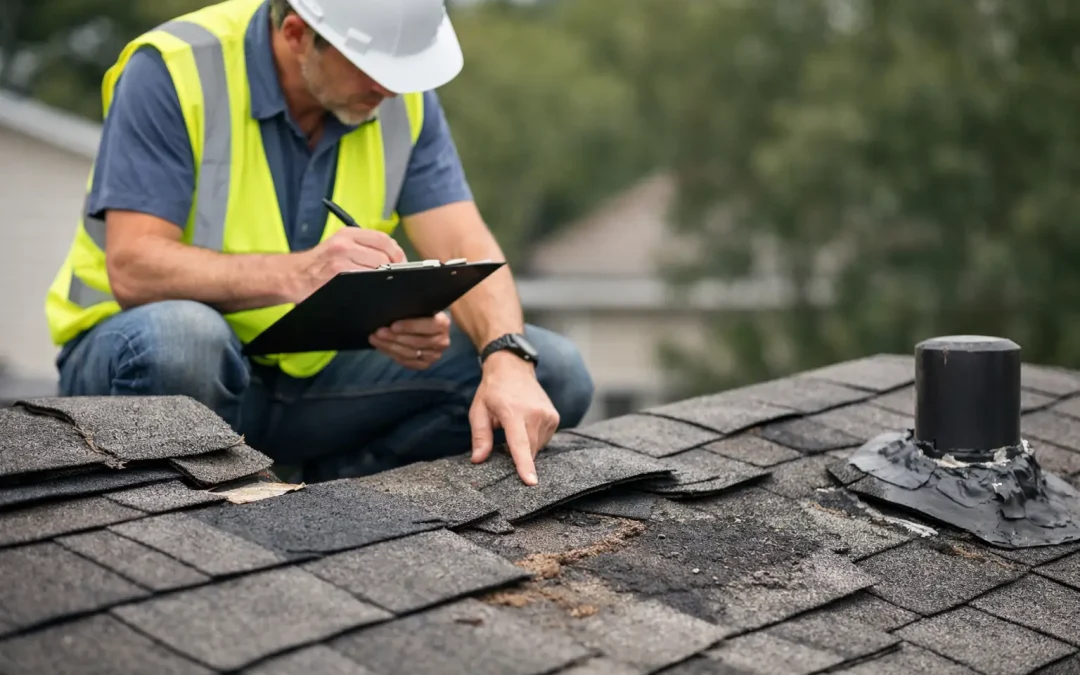
A tile can occasionally crack because of impact or severe weather. However, tiles that slip, rattle or disappear shortly after a repair or re-roof should be investigated. This may point to inadequate fixings, incorrect overlaps, unsuitable tiles or work carried out without enough care around the edges and roof details.
Loose tiles are not just a leak risk. In high winds, they can become a safety issue for people, vehicles and neighbouring property. Keep clear of the area below and arrange for a competent roofer to assess it rather than attempting a repair yourself.
3. Untidy or failing flashing
Flashing is the material used to seal vulnerable points where the roof meets a chimney, wall, roof window or valley. Lead flashing should be neatly dressed, securely fixed and formed to direct water away from the joint. It should not look crumpled, lifted, excessively patched or held together with large amounts of sealant.
Sealant has a place for certain finishing details, but it is not a substitute for correctly installed flashing. A thick line of mastic used to cover a gap may look like a quick solution, yet it can fail as it ages and moves with changing temperatures.
4. Water stains, damp or mould in the loft
The loft often tells the true story. On a dry day, use a torch to look for dark staining on timbers, damp insulation, mould growth, drips or daylight visible where it should not be. Pay close attention around chimneys, valleys, roof windows and the eaves.
Condensation can also create moisture in a loft, so it is worth having the cause checked properly rather than assuming every mark is a roof leak. Even so, new damp marks following roofing work deserve prompt attention. A good contractor should identify whether the issue is poor weatherproofing, ventilation, insulation or a separate defect.
5. Sagging areas or an uneven roof line
A roof should follow a clean, consistent shape. A dip or sag can sometimes be seen from the pavement, particularly along the ridge or between rafters. This may be linked to ageing roof timbers, but it can also result from inappropriate materials, poor support or work completed without addressing an underlying structural concern.
Do not dismiss a sagging roof as purely cosmetic. The roof covering adds weight, and trapped water can make matters worse. This is a situation where a professional inspection is sensible, especially if the shape has changed recently.
6. Poorly fitted ridge tiles and verges
Ridge tiles run along the top of a pitched roof, while verges form the edges at the gable ends. These areas receive plenty of exposure to wind and rain, so they need a secure, tidy finish. Gaps beneath ridge tiles, cracked bedding, loose mortar or visibly uneven edging can indicate that the work has not been completed to a proper standard.
Modern dry-fix systems can be an excellent option when correctly installed, but the system must suit the roof and be fitted in line with the manufacturer’s requirements. Whether a roof uses mortar or dry-fix components, the finish should be stable and weatherproof rather than simply looking acceptable from a distance.
7. Gutters that overflow or fall the wrong way
Guttering is often replaced alongside roofing and roofline work. It should have a gentle, controlled fall towards the outlet, allowing rainwater to run freely into the downpipe. If water pools in the gutter, spills over the front during ordinary rainfall, or runs away from the downpipe, the alignment may be wrong.
Check that brackets are evenly spaced and secure, joints are not dripping, and downpipes discharge safely. Overflowing gutters can soak fascias, brickwork and foundations over time, even where the main roof covering is sound.
8. Fascias, soffits or cladding with visible gaps
Roofline products should sit straight and close neatly at corners, joints and eaves. Gaps, sagging boards, loose trims or uneven sections can allow water, insects and birds into areas that should be protected. They can also spoil the finished appearance of a property.
Sometimes an untidy roofline installation hides a more serious issue behind it, such as rotten timber that has been covered rather than dealt with. Replacement work should address the condition of the supporting areas, not just create a cleaner surface at the front.
9. A flat roof that holds standing water
A rubber flat roof, felt roof or other flat roofing system should drain effectively. It may not look perfectly level, but rainwater should not sit in deep puddles for days after a shower. Standing water can put extra strain on seams, outlets and edges, increasing the chance of leaks over time.
Also look for lifted edges, wrinkles, poorly finished corners or loose trims. Flat roofs depend heavily on careful detailing around outlets, walls and adjoining surfaces. A small mistake at one junction can allow water beneath the covering.
10. A rushed finish and no clear handover
The final warning sign is often the overall standard of care. Leftover debris, damaged garden areas, unsecured materials, blocked gutters and mess in the driveway are not proof of a roof leak, but they do suggest a contractor has not taken pride in the work.
You should also receive a clear explanation of what has been completed, any maintenance advice and details of the guarantee or warranty offered. If questions are avoided, paperwork is vague, or the contractor becomes difficult to contact once payment has been made, it is reasonable to seek an independent opinion.
What to do if you notice poor roofing workmanship
Start by taking clear photographs from a safe position, including close-ups of indoor staining and wider pictures showing where the issue is located. Keep copies of the quotation, invoice, messages and any guarantee documents. This gives you a useful record if you need to ask the original contractor to return.
If there is an active leak, loose material or a visible safety risk, arrange a prompt inspection. Avoid walking on the roof or trying to push tiles back into place from a ladder. Roofing work involves height, fragile materials and hidden risks that are best handled by trained, insured professionals.
Where the original installer is willing to put matters right, ask for the proposed repair to be explained clearly before work begins. If confidence has been lost, an independent roofing contractor can assess the condition of the roof and advise whether a local repair, partial replacement or more extensive work is needed. The right solution depends on the age of the roof, the extent of the defects and whether water has already affected the structure beneath.
A properly finished roof should look neat, manage rainwater effectively and stand up to Midlands weather without causing worry. If something does not look right, trust that instinct and have it checked before a small concern becomes damage inside your home.