A roof is not simply a finishing touch on your home. It is the part that takes the full force of rain, wind, frost and summer heat, while helping to shape how the property looks from the street. When weighing up pitched versus flat roofs, the right answer depends on where the roof sits, how it will be used, the condition of the existing structure and the standard of installation.
For many Midlands homes, a pitched roof is the natural choice for the main house, while a flat roof is a practical fit for an extension, garage, porch, dormer or bay window. Both can provide long-lasting protection when designed properly and fitted with suitable materials. The key is not choosing the style that sounds best on paper, but choosing the roof that works properly for your property.
Pitched versus flat roofs: the main difference
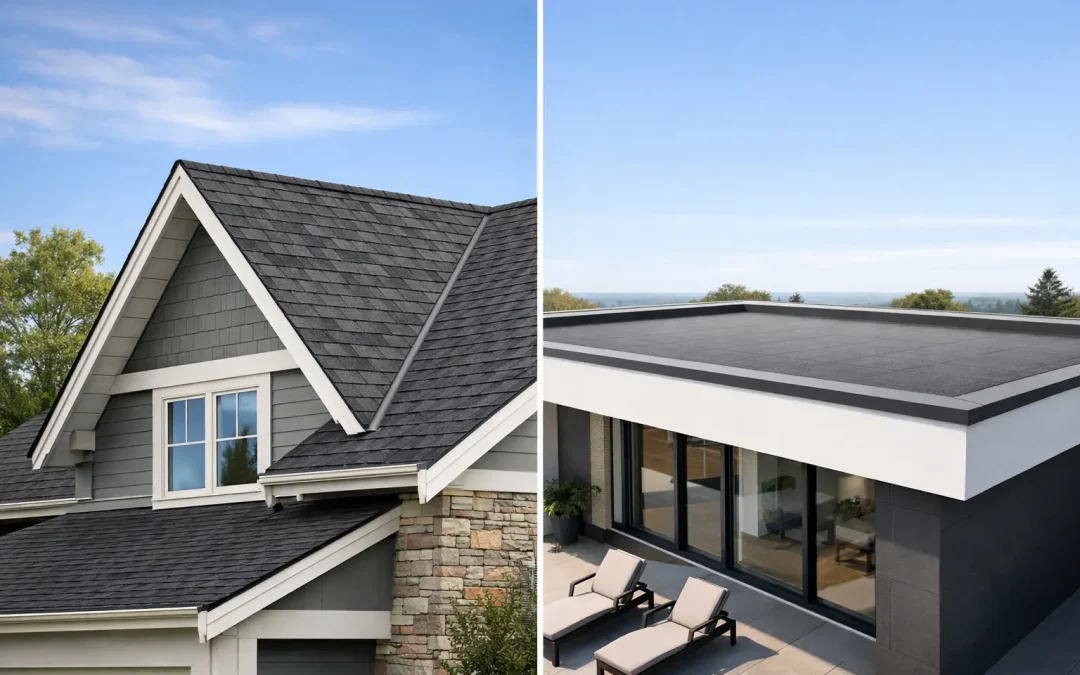
A pitched roof has a visible slope that carries rainwater down into the guttering. It is commonly finished with tiles or slates and is familiar on traditional houses, semis, detached homes and bungalows throughout Nottinghamshire and the wider Midlands.
A flat roof is not completely level. It needs a slight fall so water can run towards outlets, gutters or drainage points. Modern flat roofing systems, including quality rubber roofing, are a far cry from the short-lived felt roofs many homeowners remember. When fitted correctly, they can be smart, durable and highly effective.
The biggest practical difference is how each roof deals with water. A pitch sheds it quickly through gravity. A flat roof relies more heavily on its surface, seams, edges and drainage details being installed accurately. This does not make flat roofing a poor option. It simply means workmanship and specification matter even more.
When a pitched roof makes the most sense
Pitched roofs are well suited to the main structure of a home, particularly where there is an existing pitched roof to replace. Their shape handles the British climate well, and the roof void below can provide useful insulation space and access for future checks or repairs.
Lifespan and weather performance
A properly installed tiled or slate pitched roof can last for decades. Individual tiles can also be repaired or replaced if they become cracked, slipped or damaged in severe weather. This can make maintenance more targeted than replacing a large section of roof covering.
The sloping design is particularly useful in areas exposed to frequent rain. Water should move away efficiently, provided the tiles, flashings, valleys and guttering are all in sound condition. It is worth remembering that a pitched roof is only as reliable as its details. Loose ridge tiles, damaged leadwork, blocked gutters and worn mortar can still allow water in.
Appearance and property character
For many homeowners, appearance is a major factor. A new pitched roof can transform a tired-looking property, especially when old tiles are faded, uneven or showing signs of age. The choice of tile profile and colour can be made to suit the home and nearby properties, helping the finished work look considered rather than out of place.
A pitched roof may also be the better option when planning permission, local character or the design of an existing building makes a flat-roofed addition look unsuitable. On the other hand, this is not a rule. A well-designed flat roof can look clean and modern, particularly on a rear extension where it is less visible from the road.
Cost and disruption
A full pitched re-roof is usually a larger job than renewing a small flat roof. It may involve scaffolding, stripping old coverings, checking the roof structure, fitting breathable membrane and battens, renewing flashings, and replacing tiles or slates. Costs vary with roof size, access, material choice and the amount of repair work uncovered once the existing roof is removed.
That higher initial outlay can be worthwhile where the roof is a long-term investment in the main home. A thorough survey before work starts is essential, as it gives a clearer picture of whether the roof needs repairs, a partial renewal or a complete re-roof.
Where flat roofs are the better option
Flat roofs are often the most practical solution where a pitch would be awkward, too high or unnecessarily expensive. They are widely used on extensions, garages, porches, outbuildings, dormers and roof terraces. They can also allow for a neater connection between an extension and the original house.
A good choice for extensions and smaller roofs
For a single-storey rear extension, a flat roof can keep the overall height down and prevent the new section from blocking upstairs windows. It can create a simple, tidy line while still giving the extension plenty of internal headroom.
A flat roof is also often more straightforward on garages and bays, where matching the main roof pitch may add complexity without much benefit. In these cases, the focus should be on selecting a reliable roofing system and making sure water has a clear route off the roof.
Modern materials have changed expectations
Older flat roofs gained a poor reputation because some were poorly installed, patched repeatedly or finished with materials that struggled after years of temperature changes. Modern rubber flat roofs can offer a durable, low-maintenance surface with fewer joins than traditional systems.
The material matters, but preparation matters just as much. The deck needs to be sound, the fall must be adequate, and the edges and abutments must be finished carefully. If the roof has standing water after rain, damaged trims, lifting edges or cracked coverings, it should be assessed before a small issue turns into a leak inside the property.
Maintenance and drainage
Flat roofs benefit from regular visual checks, especially after heavy weather. Leaves and moss can collect around outlets, while debris from nearby trees may stop rainwater draining freely. Keeping gutters and downpipes clear protects both flat and pitched roofs, but it is particularly important where a flat roof drains to a limited number of outlets.
Do not assume that a little ponding is always harmless. Some roofing systems can tolerate temporary surface water, but water that remains for long periods can point to a drainage or fall issue. A roofer can advise whether it needs attention or is simply a normal feature of the roof design.
Comparing costs, maintenance and insulation
It is tempting to ask which roof is cheaper, but the more useful question is what you are comparing. A small rubber roof over a garage will usually cost less than a full tiled re-roof because it is a different scale of work. Comparing like for like is the only fair way to judge value.
Pitched roofs often have a higher upfront cost, particularly on large homes or complex roof shapes with valleys, chimneys and multiple elevations. They may provide a long service life and allow isolated repairs to be carried out when needed. Flat roofs can be cost-effective for the right application, with modern systems offering strong performance when professionally fitted.
Both roof types can be insulated effectively. A pitched roof may be insulated at ceiling level or within the roof structure, depending on whether the loft is used. Flat roof insulation needs careful design to manage heat loss and moisture properly. This is one area where cutting corners can cause condensation problems that are not obvious until damage has developed.
Choosing the right roof for your property
Start with the building rather than a preference for one roof type. If you are replacing the main roof on a traditional house, a pitched roof will usually be the sensible and visually appropriate option. If you are renewing a leaking garage roof or planning a rear extension, a modern flat roof may be the more practical choice.
Also consider access, drainage, nearby trees, future maintenance and whether the roof will need to accommodate rooflights. A flat roof can work particularly well with roof lanterns and skylights, while a pitched roof may offer loft space and a more traditional appearance. Neither option is automatically better in every situation.
The most reliable way forward is a proper site survey. A contractor should inspect the existing roof, explain the condition in plain language, identify any concerns with the structure or drainage, and provide a clear quotation for the work required. At MTF Roofing Ltd, that practical approach helps homeowners make decisions based on their property, not a one-size-fits-all sales pitch.
If you are unsure whether your roof needs repair, replacement or an upgrade, arrange an inspection before the next period of bad weather. A clear assessment now can prevent a manageable roofing job from becoming damage to ceilings, walls and belongings later on.